
• Crnogorski

Football Tournament: EU promotes friendship among Konik Communities

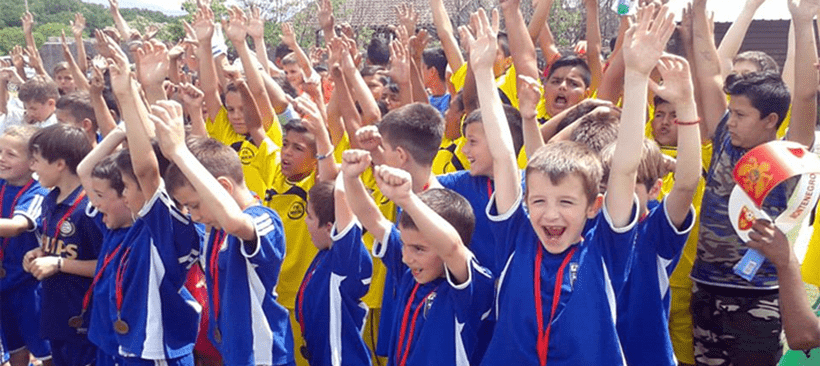
Within the EU/Government of Montenegro funded project „Assistance program for integration and voluntary return of RAE and other I/DPs residing in Konik area – Phase 2“, the Help office in Podgorica  organized  on Saturday, 16th .05, 2015. a junior Football Friendship Tournament at the sports playground in Konik, in Spanskih boraca street, next to „Djina Vrbica„ kindergarten in Vrela Ribnicka.

The Football Friendship Tournament gathered four junior football teams: (i) FC Ribnica,  (ii) Football team – RE Konik Camps 1&2 (FC MKM), (iii) FC Futura and (iv) FC Porto. Each football game lasted for 15 minutes.

FC Ribnica – gold medal
Football team – RE Konik Camps 1&2 (FC MKM) – silver medal
FC Futura and (iv) FC Porto – shared third place

The tournament has been planned with the  support of the Local Community Unit – Konik, FC „Ribnica“ – Konik, Football Club MKM, NGO Fan Club of supporters of Montenegrin national team and Buducnost „Konik City“, NGO Association of Roma of Montenegro and the NGO RAE Council of the Camp Konik.

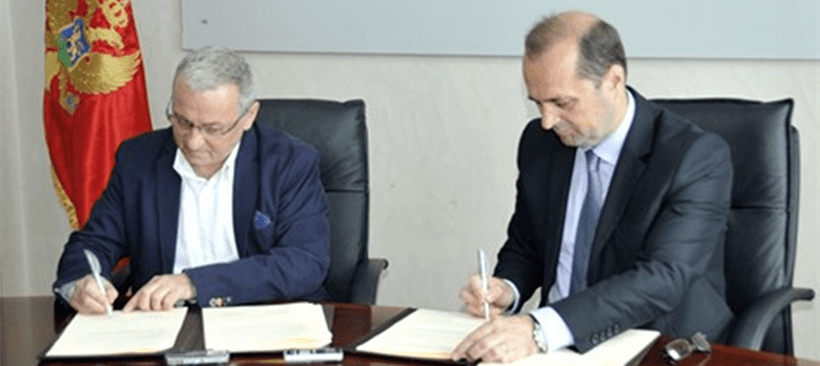
The Minister for Human and Minority Rights and Head of Help Montenegro sign Agreement on Cooperation

The Agreement defines further steps in cooperation between the signatories in the area of development of human rights and freedoms, by affirming the Constitution of Montenegro and legal provisions defining prohibition of all types of discrimination, with special focus on the vulnerable groups of population in our society. The agreement also refers to cooperation in the area of improvement of minority rights and freedoms, as well as gender equality.

Having in mind the importance and contribution for the issues of common interest, it was decided to activate dialogue between the Ministry and Help, since there are many common areas interest in improvement and protection of human rights in which both parties are very much involved and have established cooperation.

Equality of all citizens and protection of their human  rights is neccesary for peace, sustainable democracy, stability and economic growth of the society.

The agreement foresees establisment of appropriate coordination mechanisms in coopera

Creativity for Inclusion of RAE Population

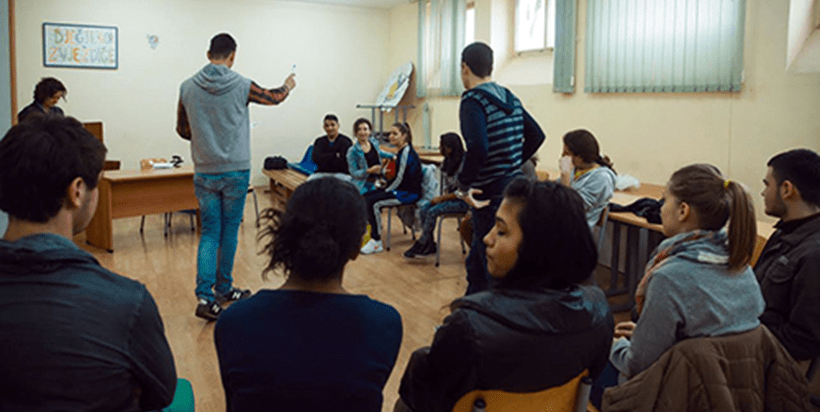
The goal of the project was to unite the RE youth population with their peers from majority groups in an inclusive community through a series of intensive workshops.  The participants were trained in the fields of identity, discrimination and social inclusion. These issues were tackled with a creative twist. The youngsters were trained in the creative areas such as acting, the fine arts, film and media. Expert lecturers were interactive mentors for this project.

Implementation of the project ‘English Language for RE representatives’

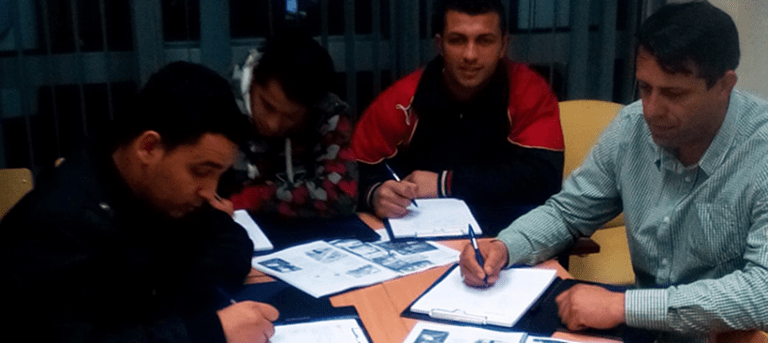
The project „English language for RAE representatives“ started on Thursday, 12th February 2015 in the School of Languages “Double L” in Podgorica.  The project is supported by the  Help-Hilfe zur Selbsthilfe e.V. and implemented by civil sector organization RAE Council of the Camp.

For this activity, funds have been provided through sub granting of RAE Council of the Camp within the project „Strengthening representation and integration of Roma, Ashkalia and Egyptians (RAE)” financed by the European Union through the EU Delegation in Montenegro.

The goal of the project is to contribute to representation and integration of RE population by providing the English course in duration of 3 month for 5 representatives of the RE.

Drivers of Change: Japanese Embassy enables School Bus Purchase

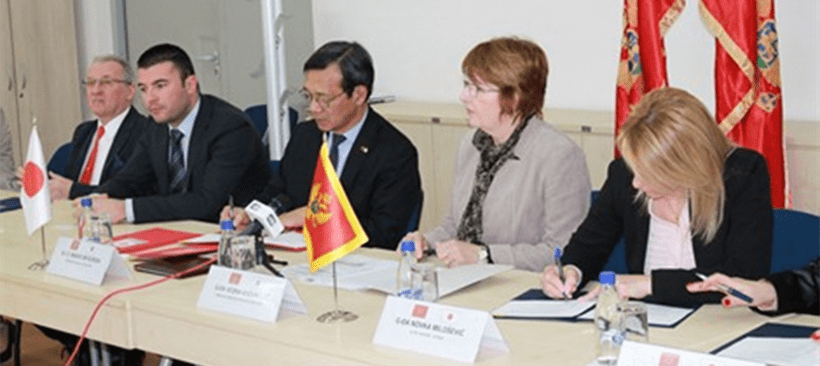
A contract on the donation of the Government of Japan was signed today in the Ministry of Education, by the Ambassador of Japan in Montenegro, HE Musafumi Kuroki, and Mr. Klaus R. Mock, Programme Coordinator of Help in Montenegro.  The donation of the Japanese Embassy in the amount of 57,564 Euro will be used for the purchase of a bus for the transport of children from the Roma camps in Konik to 7 designated schools in Podgorica.

Approximately 220 children are in need of daily transport from the camps to schools and back home at the moment. All these children are in the age range from 5 to 10 years, not able to go to schools without organized escort. Children attend classes either in the morning or in the afternoon shifts, spending regular number of classes and participating in after school activities together with their siblings.

An important aspect for improving education of Roma pupils form the camps  is the gradual closing of the segregated branch department of the primary school “Božidar Vuković Podgoričanin” operating in Konik Camp II and inclusion of the RE children in the process of education in seven desegregated primary schools in the territory of Podgorica.

Within the next three schools years, the number of these children will raise by another 80 to 90 annually, since desegregated school operating in camps area will be fully closed in June 2016.

One of the important steps to guarantee the inclusion of children to city-desegregated schools is to secure daily transport to schools outside the camps. It will provide safe transport facilities and thus ensure the children’s regular attendance to city schools.  The Ministry of Education, as the program’s main liaison, will ensure institutionalization of desegregation process and partnership relationships with participating schools.

Project “Creativity for RE inclusion“ kick-off in Podgorica

The project „Creativity for RE inclusion“ started on Saturday 25th of February 2015 at the premises of the Cultural-informative Center „Budo Tomovic“ in Podgorica. The project is supported by the NGO Help-Hilfe zur Selbsthilfe e.V. and implemented by civil sector organizations RAE Council of the Camp and ATAK. Supporting partners in the project are KIC „Budo Tomovic” as well as the Secondary Vocational and Higher Education School „Sergije Stanic”.

For these activities, funds have been provided through subgranting of RAE Council of the Camp within the project „Strengthening representation and integration of Roma, Ashkalia and Egyptians (RAE)” financed by the European Union through the EU Delegation in Montenegro.

The goal of the project is to contribute to representation and integration of RE population, through informal education of 8 RE participants and 8 of their peers of other nationalities from the local community.

The plan for the first part of the project foresees workshops for inclusive and creative practices meant for development of communication, social and artistic skills of the participants, followed by recording of interviews with the participants, in order to to provide skills for  the youth to make media presentation and to get an opportunity to express their experience and points of view on the subjects of inclusion and participation of youth from the aspect of RE community in the Montenegrin society.

Workshops with renowned lecturers, through a specific program of informal learning, will be implemented in February and March 2015. The first workshop named „Identity and creativity“ was conducted by psychologist Ms Tamara Milic, on 21st February 2015. By treating the identity issues, the workshop has enabled the participants to interactively process the topics and tasks from the areas of identity, inter-culturality and creative practices. The next workshop will take place on Saturday 28th February at KIC „Budo Tomovic“.

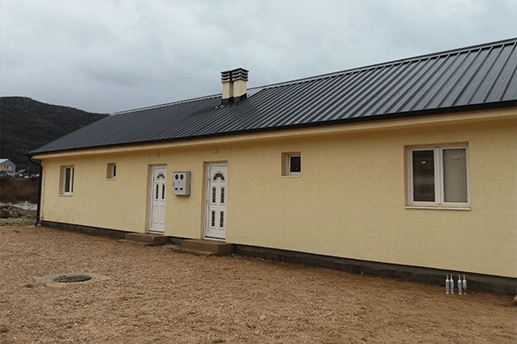
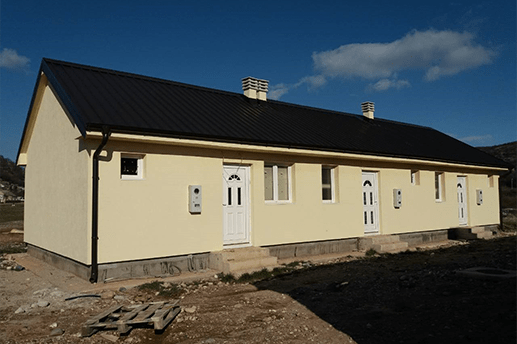
Completion of four pre-fabricated Houses

On January 23rd, 2015  

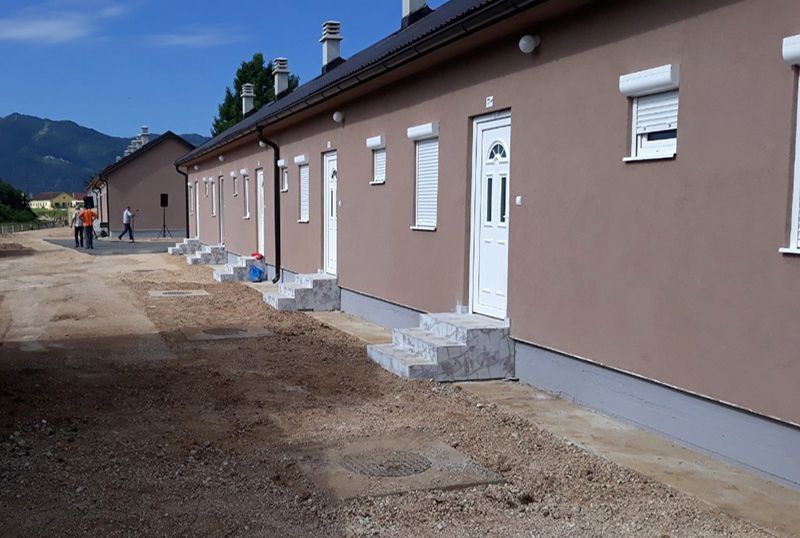
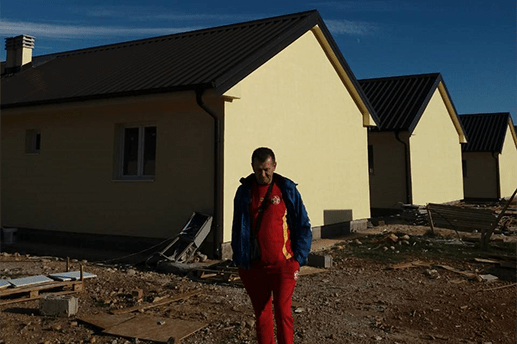
4 completed pre-fabricated houses, funded by the German Foreign Ministry, UNHCR and the Government of Montenegro  were handed over to the Niksic Municipality according to the Memorandum of Understanding signed on 19.09.2014 by Mr. Veselin Grbovic, Mayor of Niksic and Mr. Klaus Mock, Representative of Help-Hilfe zur Selbsthilfe e.V. in Montenegro.

The Municipality reaffirmed the purpose of the structures, which is to house primarily displaced Roma families. The obligations and rights of residents and the municipality are regulated in a separate lease contract for each of the future beneficiary-family representative.

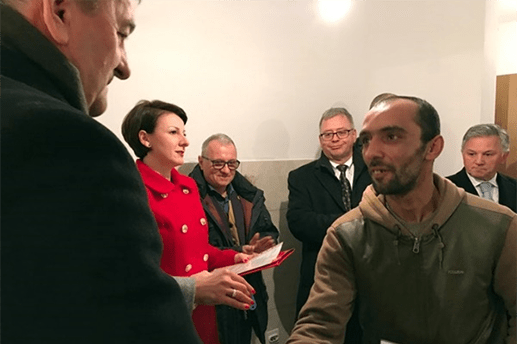
The ceremony was attended by H.E. The Ambassador Gudrun Elisabeth Steinacker, UNHCR Representative in Montenegro, Mr. Mustafa Server Caylan as well as by other stakeholders in the project and the Roma beneficiaries who received the keys to their new homes.

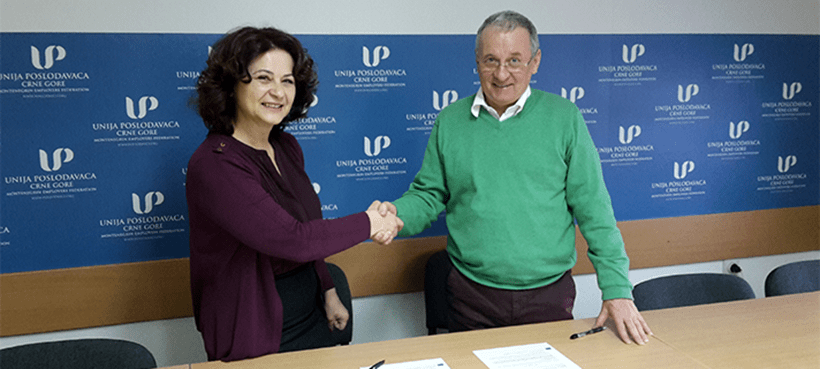
Union of Employers of Montenegro and Help – Office in Podgorica sign Agreement on Cooperation

19 January 2015, Podgorica

Union of Employers of Montenegro and Help – Office in Podgorica have signed an Agreement on Cooperation. Objective of the agreement is to contribute to better and more efficient integration of RAE population through cooperation based on partnership within the project „Support to the Integration and Voluntary Return of RAE and other I/DPs Residing in Konik area – Phase II“.

The project is financed by the European Union, through the EU Delegation to Montenegro,  and the Government of Montenegro and implemented by Help ant its partners. The agreement was signed by UEM Secretary General, Ms. Suzana Radulovic and Mr. Klaus Mock, Program Coordinator of Help.

The agreement stipulates cooperation between the parties with regard to providing internships and employing RAE population members. UEM shall inform the employers, Union members, on possibilities for hiring RAE population under conditions foreseen under a separate component of the project which makes available paid internships for RAE population members and produce promotional material for raising awarenes of the employers on the benefits deriving from hiring RAE population. All necessary technical support to the employers interested in hiring RAE shall be provided by Help.

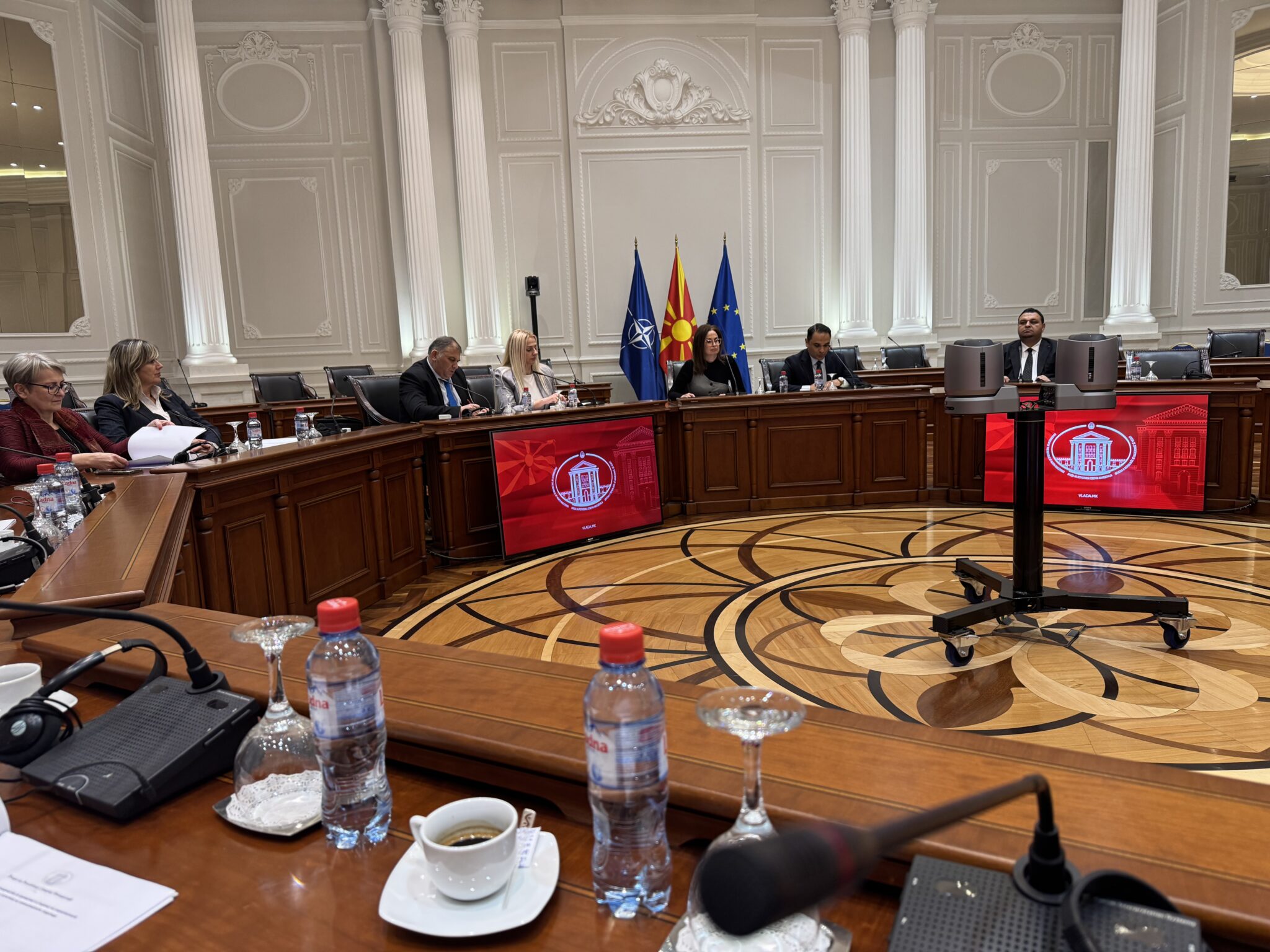
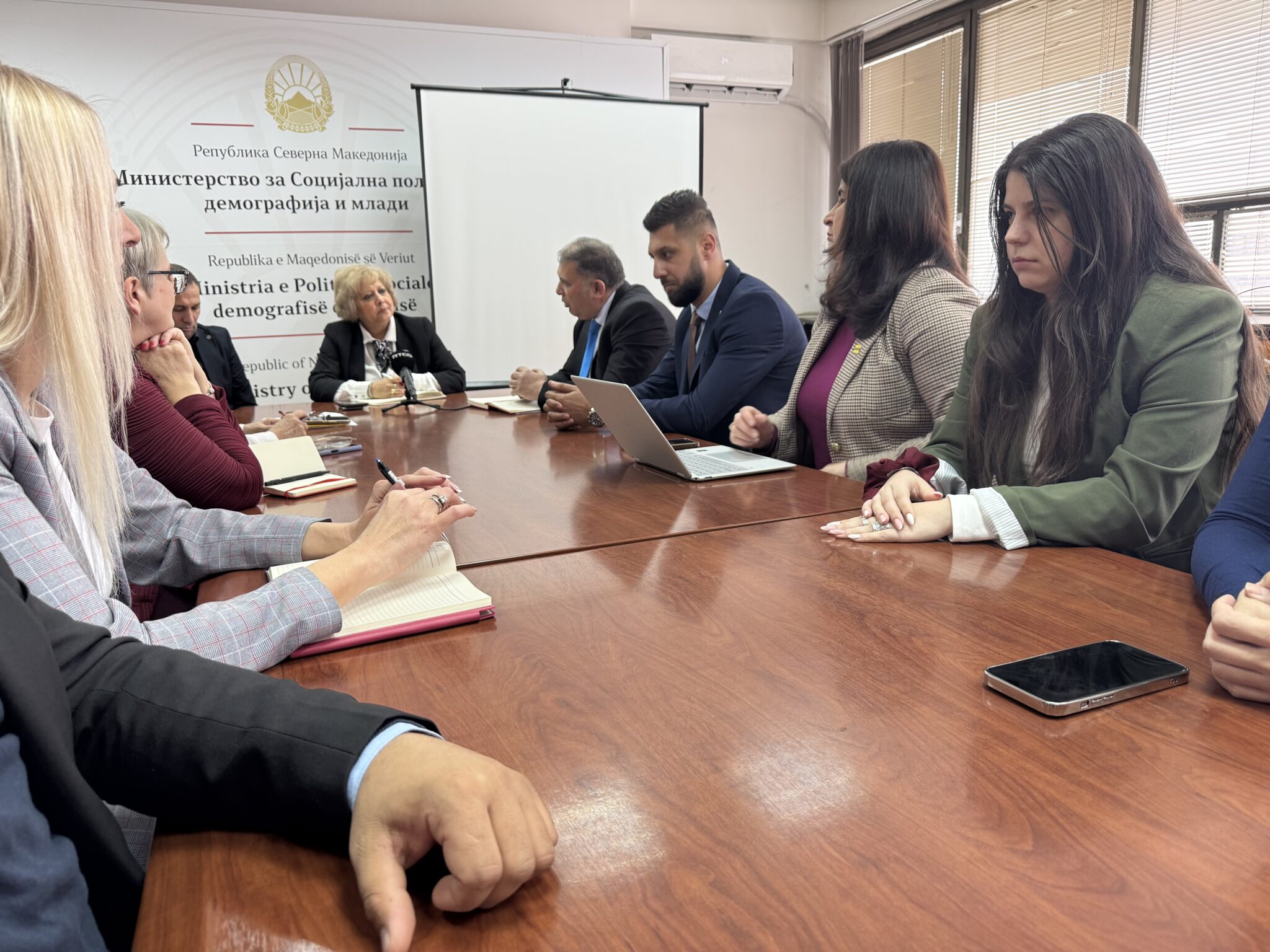
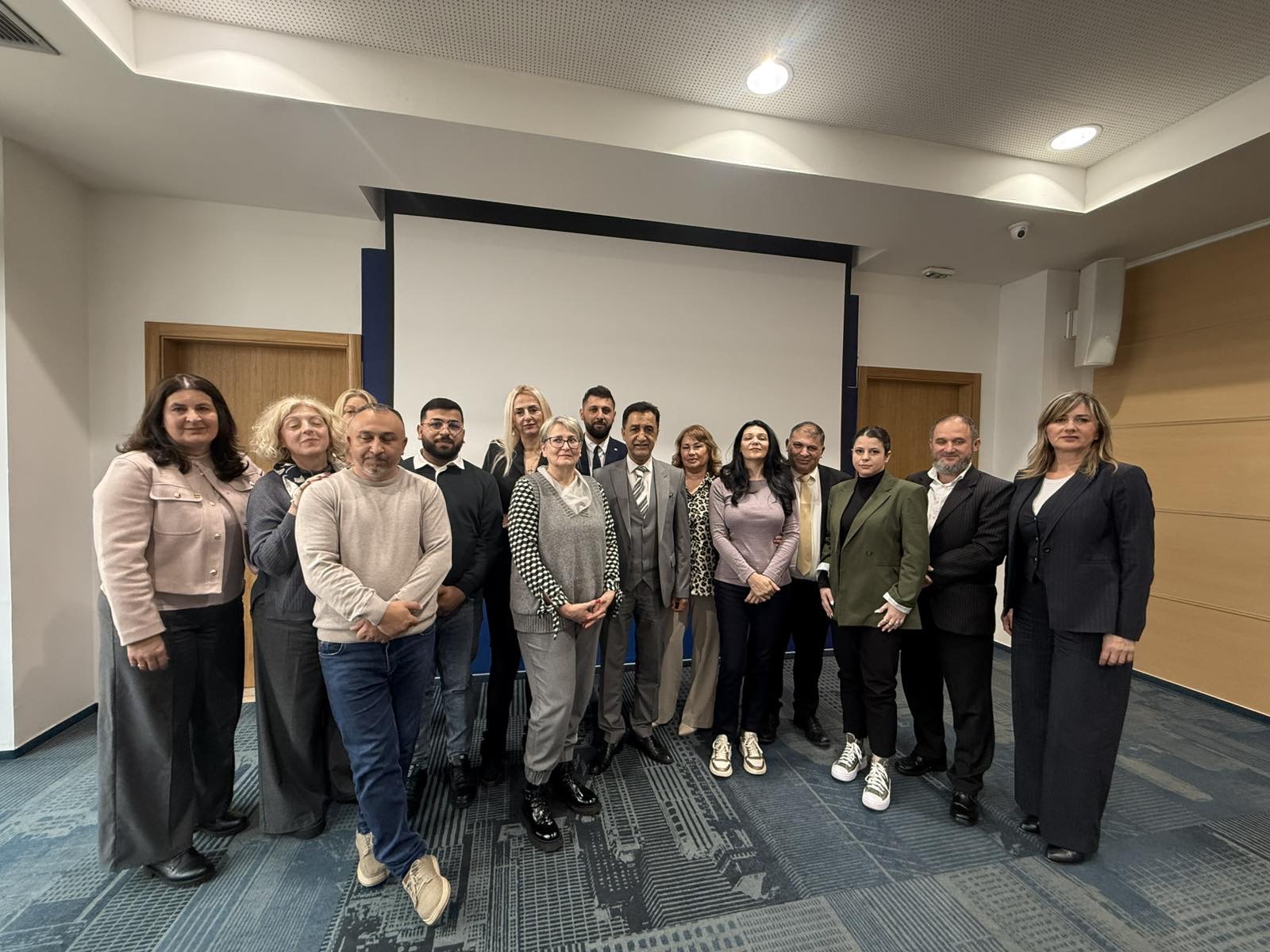
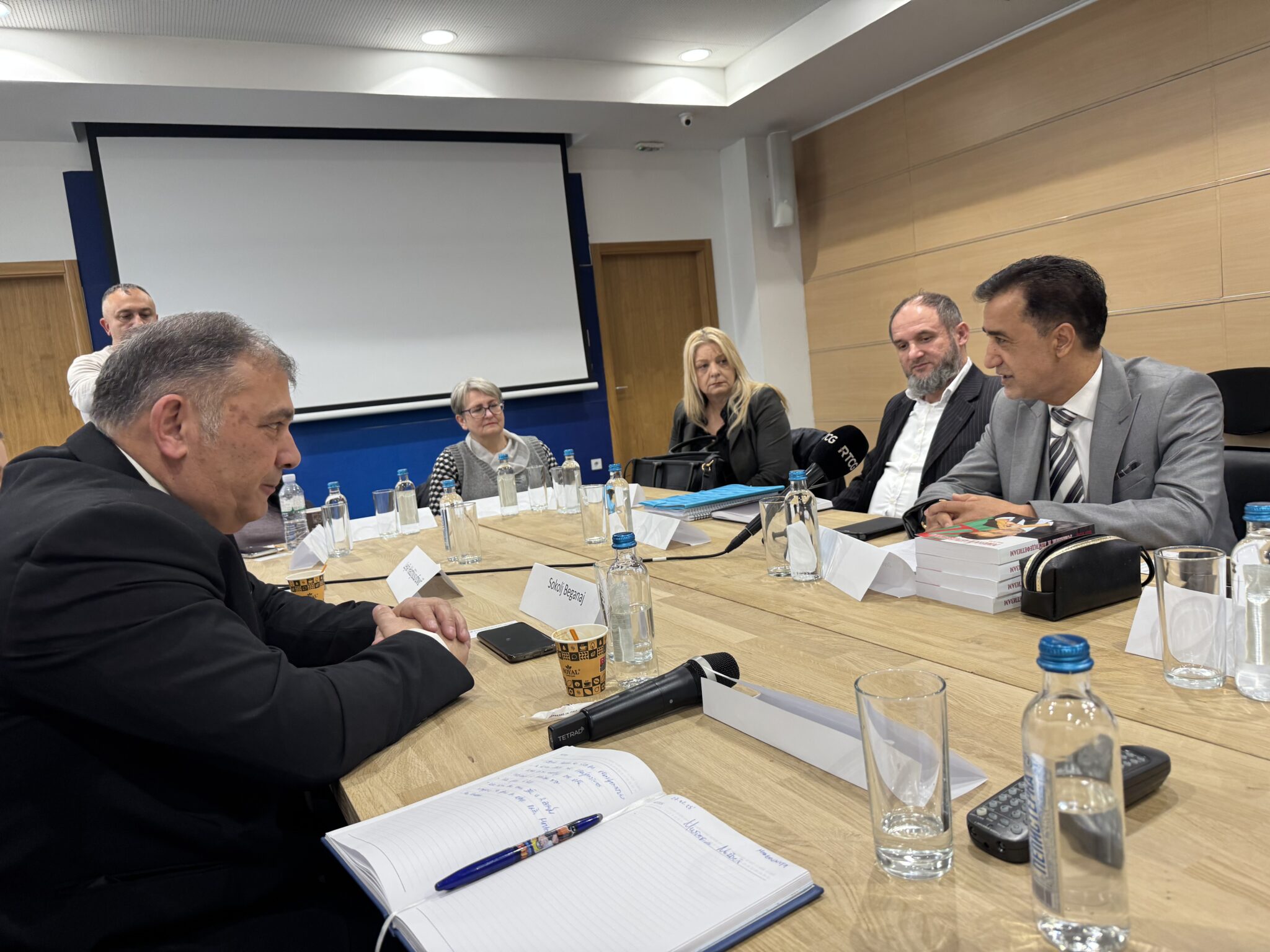
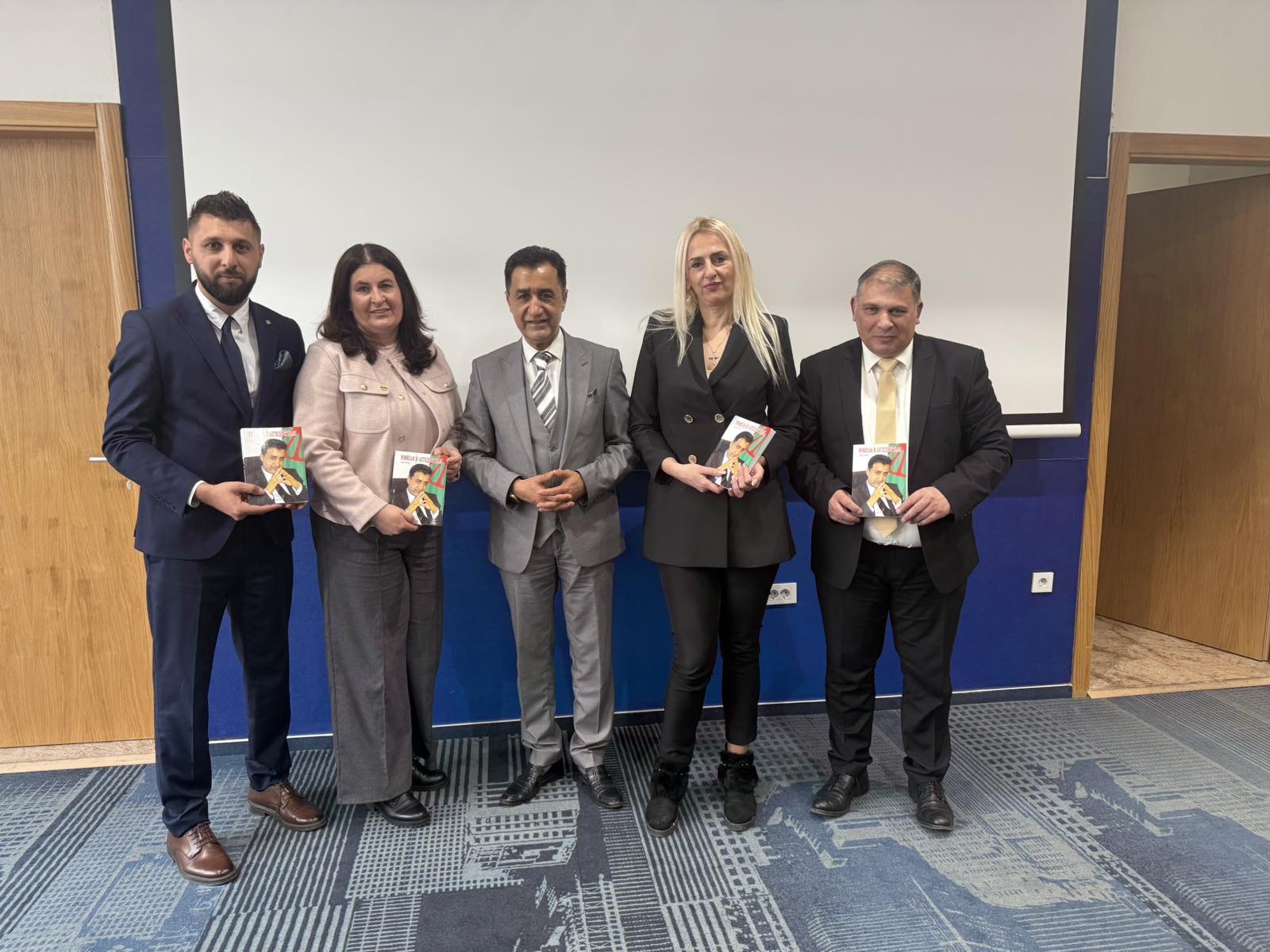
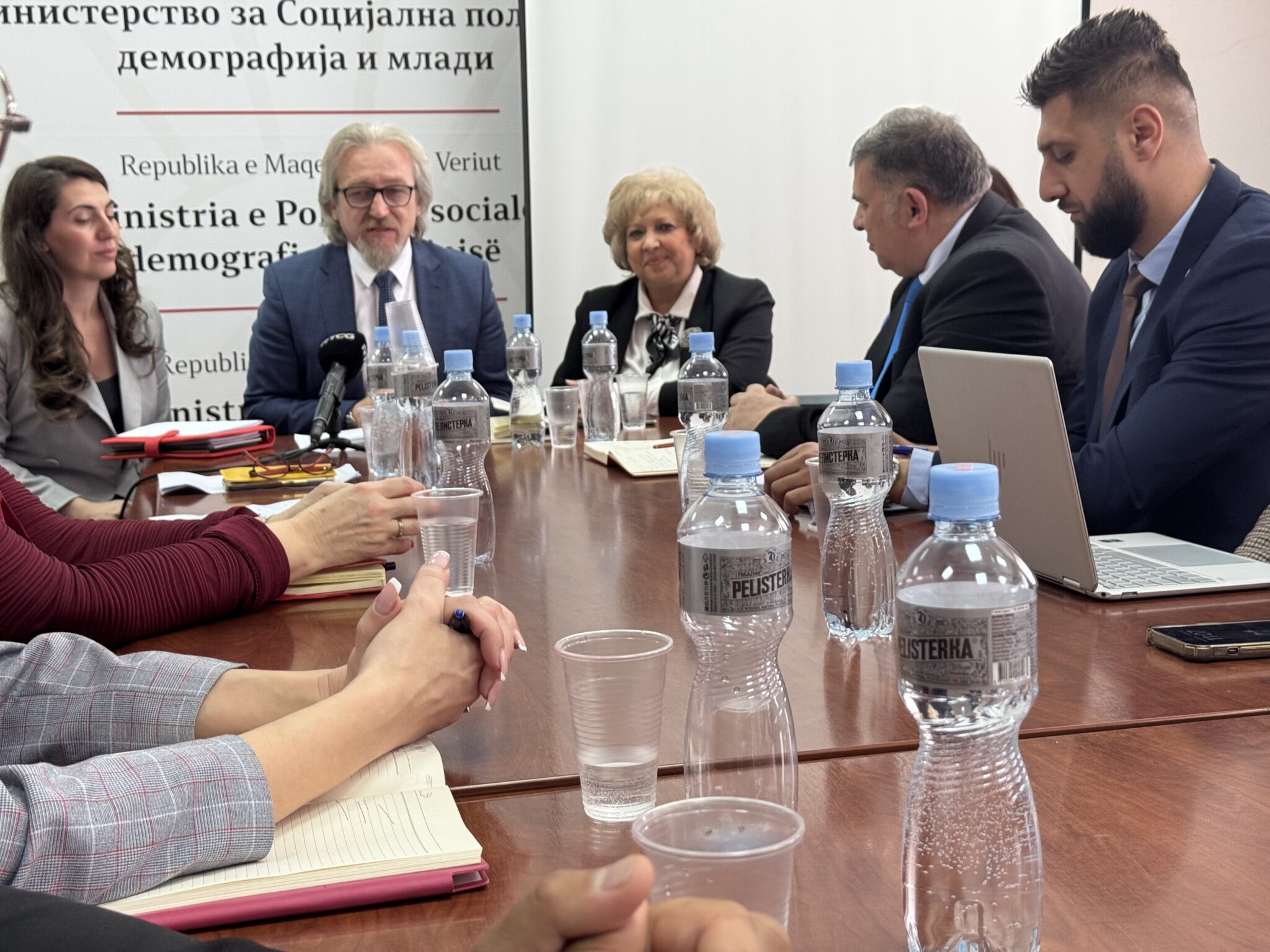
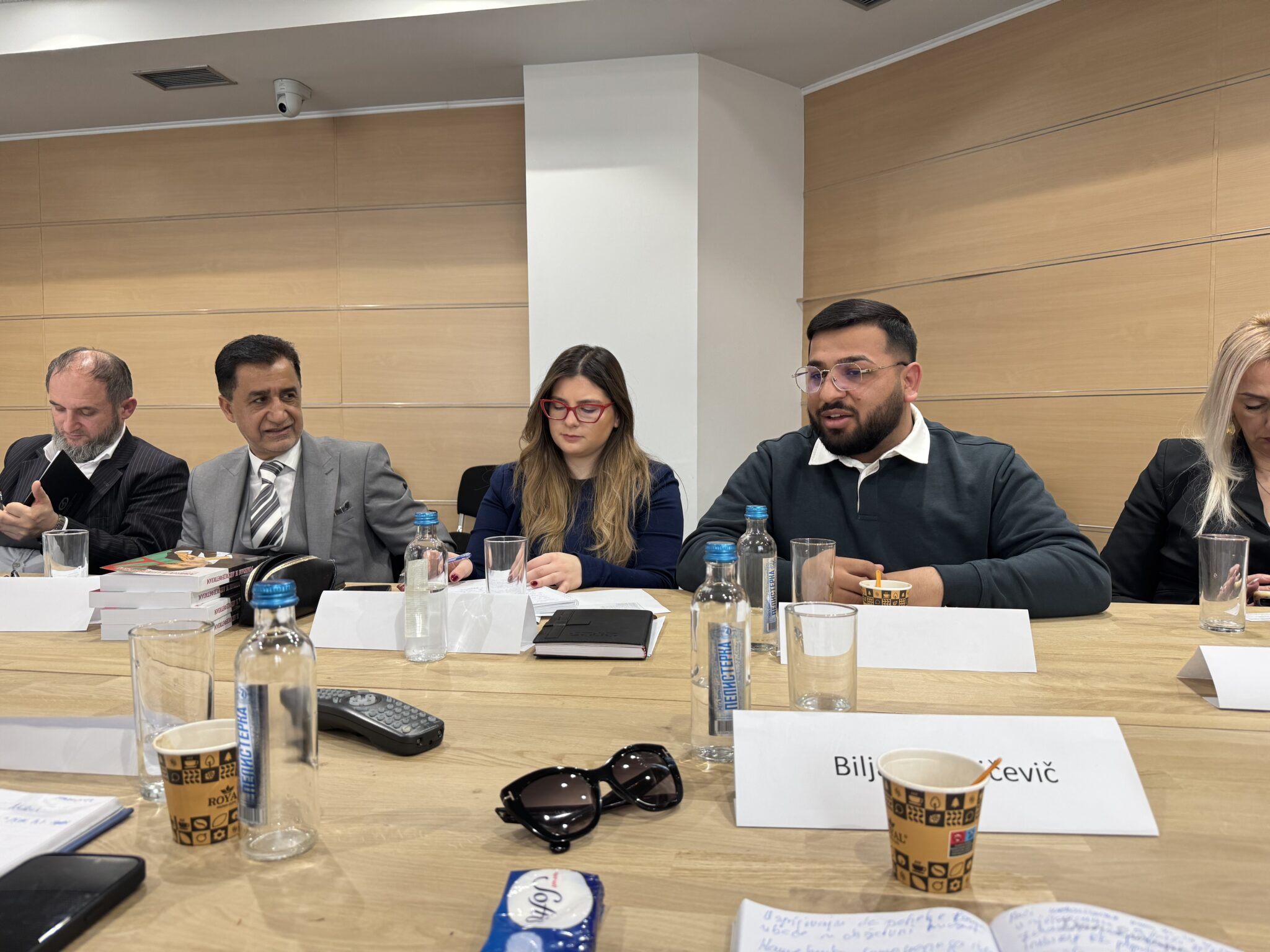
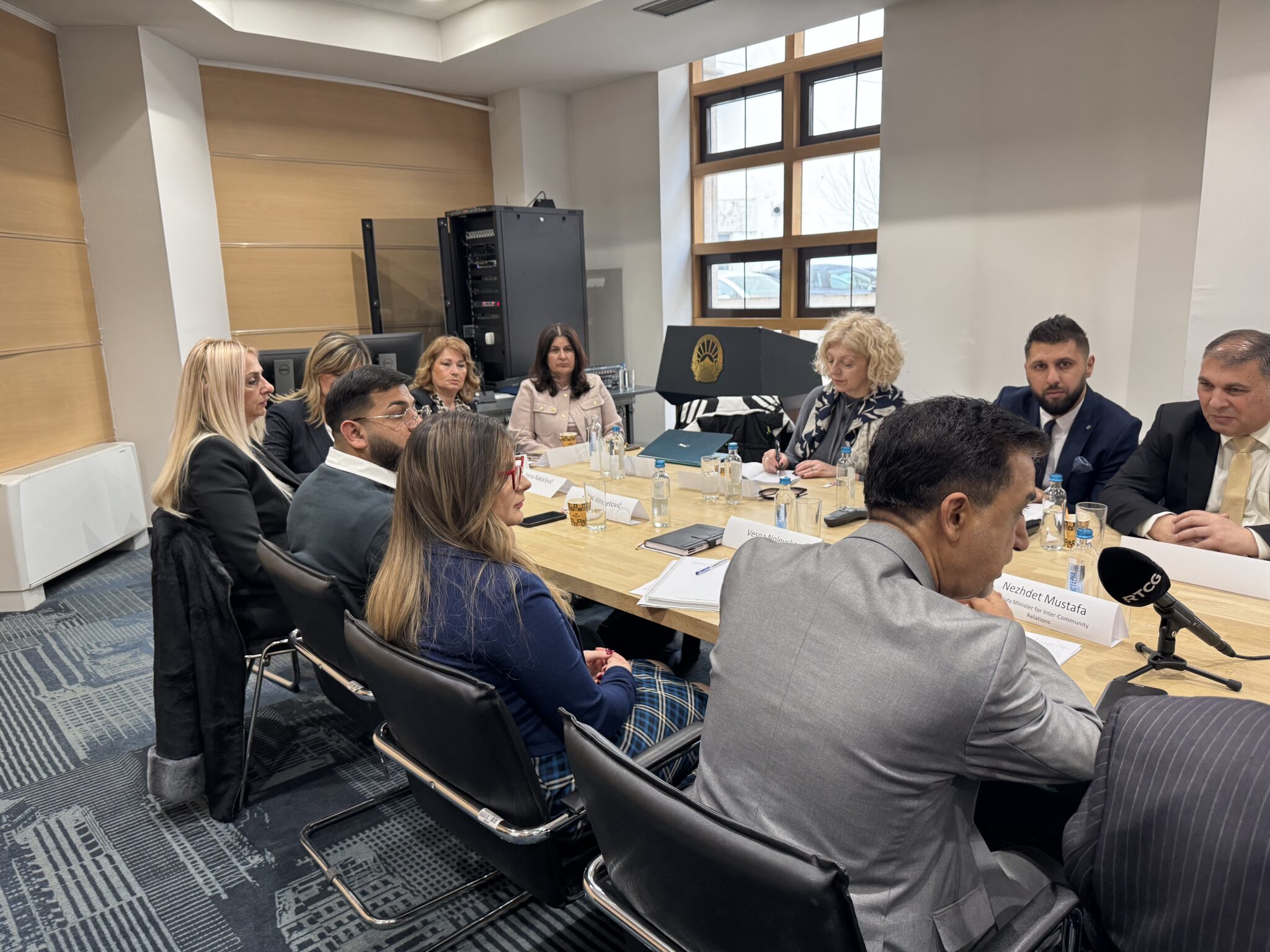
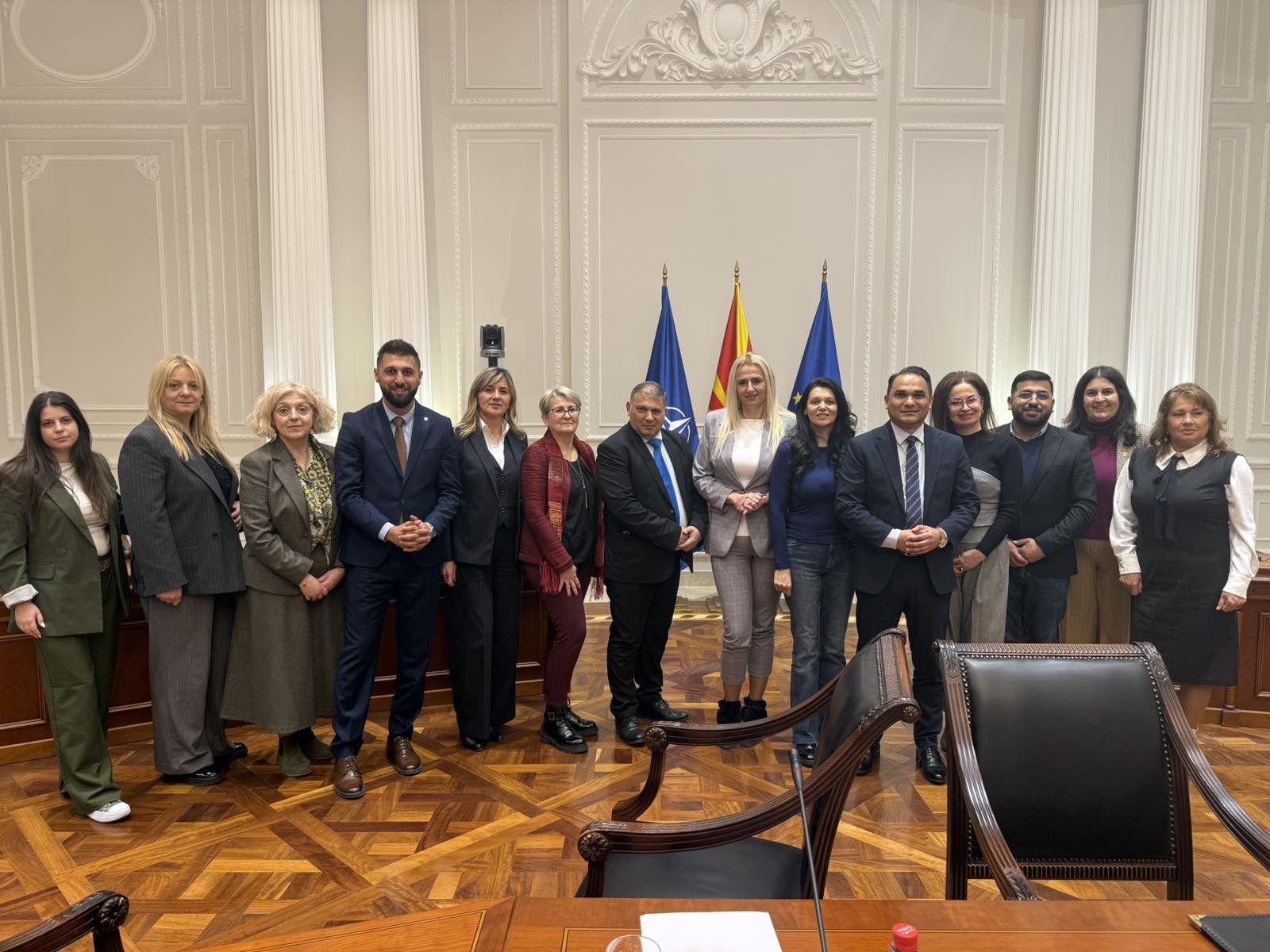
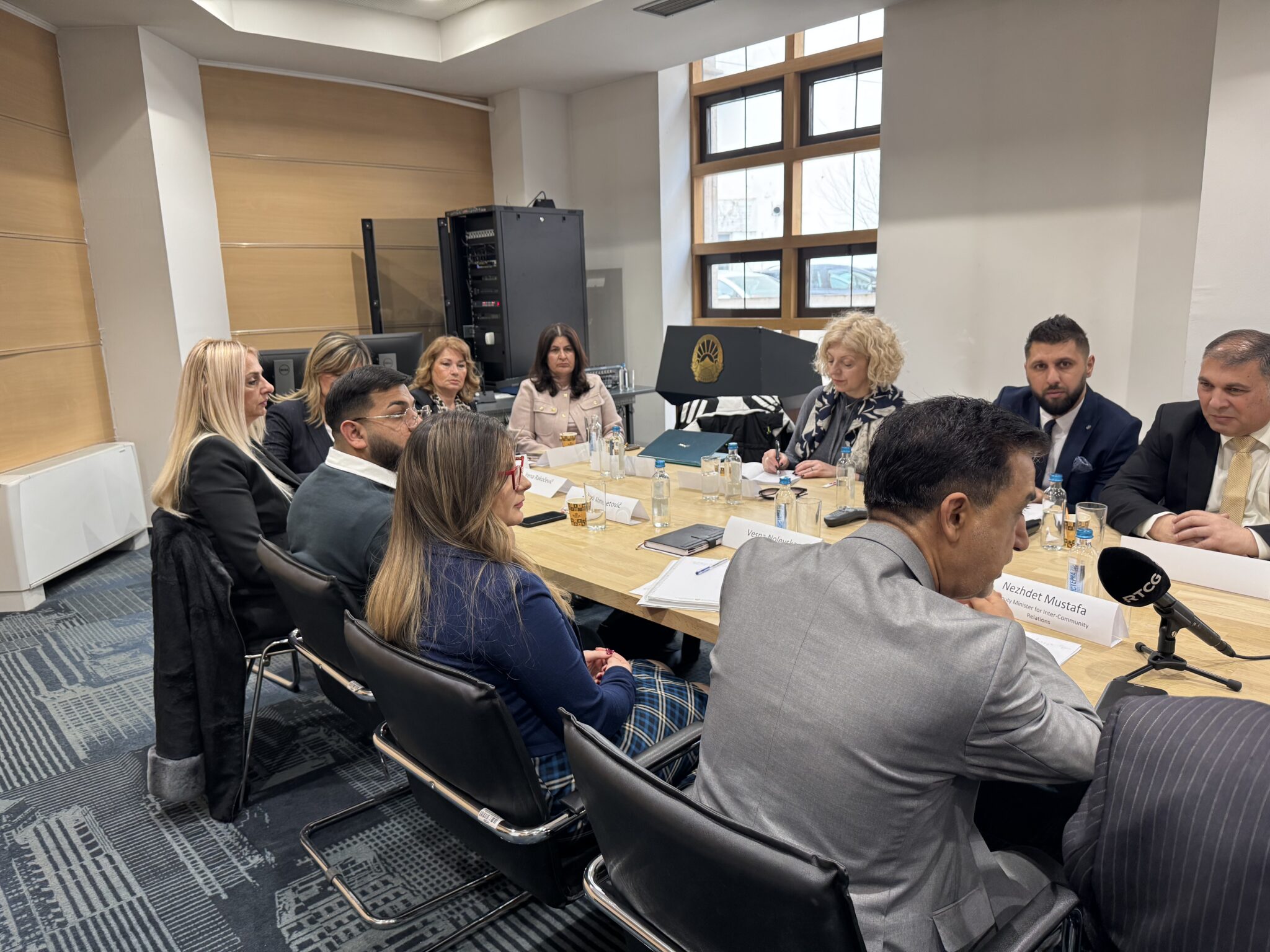
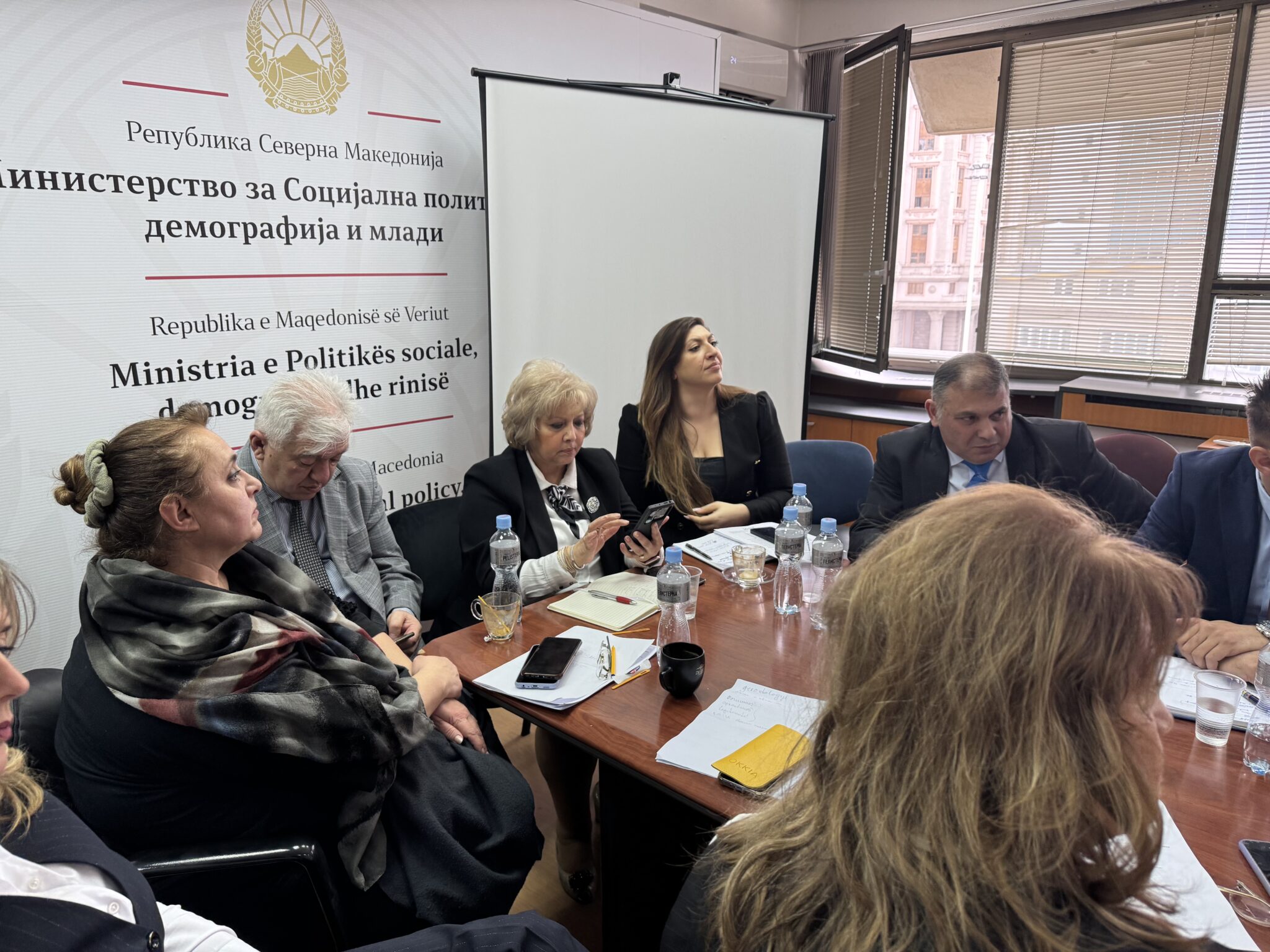
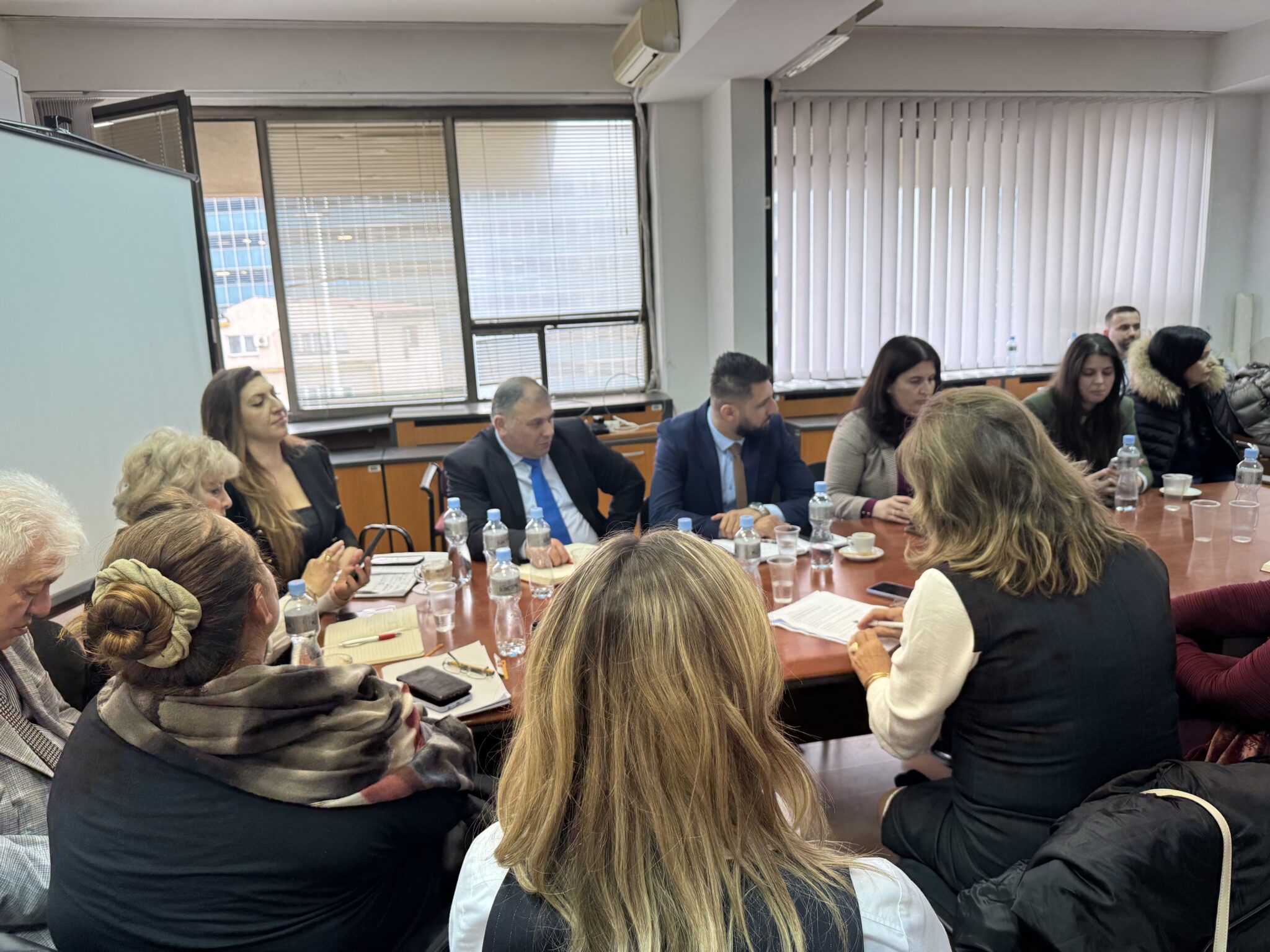
Help discussed models of Roma inclusion with state institutions and RE activists in Skopje

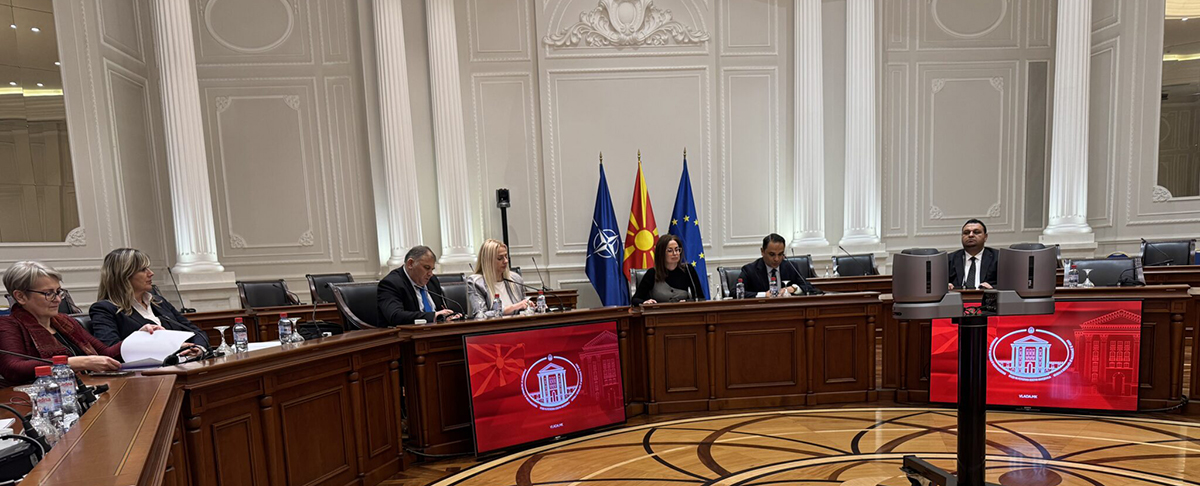
Education and political representation of Roma are key recommendations that Roma, representatives of ministries and the Government of North Macedonia, conveyed to the Montenegrin group that paid a study visit to Skopje in the last week of February, organized by Help.

The activities were implemented as part of the regional project "Inclusion and Economic Empowerment in the Western Balkans" funded by the German government.

North Macedonia has a large Roma community of around 50,000 inhabitants, and since the 1990s it has had the entire municipality of Šuto Orizari with a majority Roma population, which is governed by Roma themselves. Their first Roma mayor, then a two-term MP in the Parliament, now Deputy Minister for the Political System, Nexh Mustafa, was one of the hosts in the ministries, government and institutions of the system with whom they exchanged views on the position of Roma in the Western Balkans and successful models of inclusion.

Help brought representatives of the Roma community in Montenegro, the Roma World and CAREP, RE mediators, the first Democratic Party of Roma in Montenegro, the Montenegrin ministries of human and minority rights, health, social welfare, internal affairs, urbanism and spatial planning, as well as representatives of the Public Service Broadcasting RTCG from Montenegro to Skopje – all institutions with which Help has been cooperating for more than two decades in order to improve the economic and social position of Roma and Egyptians in Montenegro and their full inclusion in society.

For more than two decades, the authorities of North Macedonia have been developing various models of inclusion of the relatively large Roma community in that country, relying on relevant European practices and legislation. The results are such that today over 300 participate in state and local government at various levels.

"Over the past 20 years of participating in the implementation of European policies, we have managed to change the mentality. Over 300 Roma today participate in the executive branch of government in various capacities, there is no ministry where Roma do not work, sometimes up to 10 of them," said Mustafa Nedzhaty, deputy minister.

The Roma in North Macedonia currently have as their political representatives an advisor to Prime Minister Sefer Drijaši, who is also the National Coordinator for Roma, and who hosted a delegation from Montenegro on a study visit in the plenary hall of the Government, the Minister for Inter-Community Relations, a Minister without Portfolio, a Deputy Minister for Local Self-Government and a Deputy Minister for the Political System.

"Our involvement in the work on negotiation chapters 19 and 23 in the EU accession process is extremely important. And the government of North Macedonia has attached particular importance to political representation and education when it comes to Roma inclusion. The government has allocated 200 scholarships for high school students for 2024/25. A special focus since 2011 has been on the legalization of illegally constructed buildings. From our experience, we can say that it is of utmost importance to ensure that when drafting the state budget, funds intended for Roma are clearly allocated and specified, so that they can be used for these purposes - at the state and local levels," said Drijaši.

According to the assessment of the interlocutors in Skopje, two things were crucial for achieving such representation of Roma in the institutions of the system: work on raising the quality of Roma education, as well as political engagement that ensured that the Roma voice was heard in decision-making positions, and thus ensured the entry of funds for Roma inclusion.

Preschool education in North Macedonia began in 2006. As a result, today there are an average of 250 to 300 Roma students per year at universities. Preschool education is implemented in a total of 21 municipalities with a Roma population, with an average of around 400 children from the community attending annually, and is largely free for families receiving social assistance, foster families or single parents.

Primary and secondary education in North Macedonia is a legal obligation, and according to Arabela Iljas, Roma coordinator for public education policies at the Ministry of Education, thanks to the 30 percent budget allocated to Roma education, a generous budget for education, Roma pupils and students are provided with scholarships during their education.

North Macedonia also has a special National Plan for Roma women – which was developed based on the recommendations of the Council of Europe, and which no other country in the region has, emphasized Assistant Minister for Social Policy and Demography Mabera Kamberi.

“This was also done on the basis of the Law on Equal Opportunities and Gender Equality adopted in 2006. According to European records, North Macedonia has 54 percent of good legal regulations related to rights: budget planning of gender-responsive policies, 40 percent quota for participation in political life, implementation of obligations from the Istanbul Convention, Poznan Declaration. We also have a Department for Equal Opportunities, which is specifically focused on ensuring Roma women: equal access to education

We are looking for Independent Evaluator

Terms of Reference (ToR)

Independent Evaluation
of the Help – Hilfe zur Selbsthilfe e.V.

South-East Europe Project

  1. Introduction

Help- Hilfe zur Selbsthilfe  (Help) is a non-governmental, non-profit Organization active in humanitarian aid and development cooperation.

Help has been operating in the Balkan region for 25 years and recently shifted from a country project to a regional project approach financed by the German Federal Foreign Office. Help is commissioning an independent evaluation of the regional project: “Support to socio-economic stability in the western Balkans region 2019-2020”.

This evaluation shall

  1. assess the introduction and implementation of the OECD DAC criteria on impact and sustainability of the project approach as well as
  2. draw recommendations to better support the planning of future programes and projects.

The evaluator is invited to support and cooperate with the project team. This may entail participating in an in-depth interview, providing requested information or documents and making use of the reporting templates developed by the team.

  1. Background

The project “Support to socio-economic stability in the western Balkans region 2019-2020” is implemented in the Western Balkans including Bosnia and Herzegovina, Serbia, Kosovo and Montenegro. The overall objective of the program is to empower economically and socially vulnerable groups and enable social inclusion by reaching the following specific objectives:

Specific Objective 1: Decreased levels of poverty among economically vulnerable groups

Specific Objective 2: Improvement of the treatment programs in correctional institutes and the process of re-integration into society

Specific Objective 3: Better inclusion of Roma and vulnerable social cases in the society and migration prevention

The main activities to achieve those objectives are:

  1. Direct job creation through educational and economic support to 550 micro businesses
  2. Improvement of the economic situation and treatment programs in 13 selected correctional institutions in Serbia, Kosovo and Montenegro through equipping workshops for the increased working engagement and different vocational and specialized trainings
  3. Construction of prefab-houses and buildings for Roma and other socially vulnerable families in Niksic, Danilovgrad and Bijelo Polje / Montenegro Construction of 4 prefab-houses in Niksic/ Montenegro
  4. Facilitating access to health, employment and social services for Roma Egyptian population

The program is implemented from 1 January 2019 until 31 December 2020.

Note: for Montenegro evaluation only yellow marked activities are relevant and subject of evaluation

  1. Purpose, key evaluation questions and general aims of the evaluation

Help aims to ensure quality in its work and thus builds on a strong culture of lessons learnt. As such, Help is committed to review its program through external evaluations.


3.1. Purpose of the evaluation

The evaluation will make a comprehensive assessment of the program describing the project’s relevance, its level of success in achieving its objectives, program efficiency and effectiveness, methodology, sustainability and impact of its interventions, identifying key weaknesses and assessing its contribution to socio-economic stability in the region.

This means:

  • Assessment of the achievement of goals of the project
  • Identification of the impact of the program and ways this may be sustained beyond the project
  • Improve future program design and management
  • Verify that funds were used effectively and efficiently to deliver results
  • Assessment of the program structure and its functionality in regards to the current environment

Evaluation Principles: Respect for People; Independence & Impartiality; Utility; Credibility; Validity; Transparency; See Annex 1 for detailed interpretation of these principals

3.2. Main questions / relevant aspects to cover

The evaluation will address two Key Evaluation Questions (KEQs). All KEQs should be queried independently from each other. Following sub-questions are conceivable but not exclusive:

 OECD DAC criteria: Impact

Quality Criterion: The extent to which the intervention has generated or is expected to generate significant positive or negative, intended or unintended, higher-level effects.

KEQ 1: Had the project activities the planned impact?

  • Was the project design needs based?
  • Did the project design consider risks and vulnerabilities of the target population?
  • How did the project change the lives of target groups?
  • How many people were influenced by the project and how?
  • How did the beneficiaries involved directly in the project influence the other members of the target group?
  • What are the potential unintended positive and negative effects of the implementation of the program?
  • How did the program contribute to improving?
  • Were the activities as reflected in the program proposal and work plans consistent with the overall goal and objectives?

OECD DAC criteria: Sustainability

Quality Criterion: The extent to which the net benefits of the intervention continue, or are likely to continue.

KEQ 2: Were local capacities strengthened and negative side effects avoided?

  • Was the program build on local capacities?
  • How is a longer-positive effect of the outputs ensured?
  • Did the program create negative side effects and if so, how were they responded too?
  • How were negative side effects avoided?
  • Did the program strengthen the local capacities on the long-term?
  • g. What were the project measures for sustainability and how were they implemented / achieved?
  • How will the project continue after phase-out of project partners?
  • What was the level of cooperation with local authorities?
  • What are the main factors influencing the sustainability of the project in terms of employment RE persons?

The KEQs should be addressed with special, but not exclusive, consideration of the OECD/DAC criteria of appropriateness and relevance.

The KEQs listed above are to be considered as guiding questions only and the evaluation team is not limited to them. The refining and further elaboration of the questions should be done by the evaluator, which will propose a matrix of detailed evaluation questions.

3.3. General aims of the evaluation

The aims of this evaluation are to:

  • identify good practices
  • identify gaps and areas of unmet needs both in activities and from a cross-cutting perspective
  • provide “lessons learnt” for future projects in order to improve the work of Help and its organisations
  • formulate recommendations for Help.

Evaluation approach and methodology

 The evaluation process is foreseen to be carried out in 3 phases: a Desk Phase, a Field Phase, and finally a Synthesis Phase.

The process will start by kick-off meeting participated by Help staff  where objectives of the evaluation are discussed again and will follow with the review of the provided relevant project documentation by the evaluator and briefing session / sessions through both, personally and Skype with the project staff. As preparing the Evaluation Design, the evaluator should:

  • Propose a set of evaluation questions justifying their relevance.
  • Present an indicative methodology for the overall assessment of the project
  • Describe the approach for answering evaluation questions
  • Analyze the relevant available documents
  • Propose adjusted work plan of the evaluation.
  • Confirm the final schedule for the evaluation exercise

The Field Phase should start after approval of the Evaluation Design. During the field phase, the evaluator shall ensure adequate contact and consultation with the project partners and different stakeholders; using the most reliable and appropriate sources of information. At the end of the field phase, the evaluator shall summarize its work, consider the reliability and coverage of information collection, and present preliminary findings.

This Synthesis Phase is mainly devoted to the preparation of the final report. The evaluator will present the findings, conclusions and recommendations in a single document in accordance with the agreed structure. The evaluator will make sure that:

  • The assessments are objective and balanced, statements accurate and verifiable, and recommendations realistic.
  • When drafting the report, they will acknowledge clearly where changes in the desired direction are known to be already taking place and gather feedback on the findings and on recommendations

The evaluation should combine evaluation tools based on international standards and guidelines like the Code of Conduct of the Red Cross/Red Crescent societies, the adapted ALNAP and OECD/DAC criteria, the Core Humanitarian Standard on Quality and Accountability and the Sphere Minimum Standards in Humanitarian Response and Grand Bargain commitments.

5.Deliverers and deadlines

5.1. Draft evaluation report

Deadline: 20.09.2020

5.2. Final evaluation report including a summary
(max. 10 pages excluding annexes)

The report should include (but is not limited to) the following:

  • Executive summary (max. 1-2 pages)
  • Evaluation purpose, objectives, and scope
  • Methodology (reflection and linking to the TOR and possible constraints leading to deviations from the TOR)
  • Findings (related to the objectives of the TOR)
  • Conclusions
  • Recommendations
  • Lessons learnt
  • Appendices (including TOR, maps, questionnaires, list of interviewees, and bibliography)

Deadline: 15.10.2020

Language

All documents should be written in English.

The evaluation team will directly report to Help office and will be bound by Help rules of confidentiality. All material collected during the evaluation process will be handed over to Help prior to termination of the contract. The evaluation report and all background documentation will become property of Help and will be published according to Help rules and regulations.

The evaluation team will not be allowed to present any of the analytical results as its own work or to make use of the evaluation results for private publication purposes.

  1. Expected time-frame


ActivitiesDeadlines
Kickoff- meeting10.08.2020
Evaluation travel 


3 days Montenegro/


Deadline for draft report20.09.2020
Final evaluation report15.10.2020


The evaluator is requested to immediately inform Help if serious problems or delays are encountered. Any significant changes to the evaluation timetable must be approved by Help.

  1. Budget

 Offers should include a proposed budget for the evaluation of the component in Montenegro only , covering all consultancy fees, visa, transport, accommodation and subsistence costs. The budget should present consultancy fees according to the number of expected working days over the entire period.


  1. Qualification of evaluator

The evaluator should have the following skills and experiences:

  • Very good understanding of the OECD/DAC criteria,  Core Humanitarian Standard on Quality and Accountability, the Sphere Minimum Standards in Humanitarian Response, and the adapted ALNAP, as well as an appreciation of key challenges and constraints to their application in the relevant context.
  • Strong analytical skills and ability to clearly synthesize and present findings, draw practical conclusions, make recommendations and prepare well-written reports in a timely manner.
  • Experience in evaluating development program targeting income generation projects, enhancement of economic stability.
  • Knowledge of multi-methodological approaches (qualitative and quantitative methods) in evaluation (as evidenced by recent publications).
  • A sound knowledge of the context in South-East- Europe.
  • Experience in collecting data from vulnerable groups.
  • Excellent oral and written communication skills.
  • Demonstrated cross-cultural skills.
  • Knowledge and prior experience of working in South East Europe.
  • Excellent writing and presentation skills in English.
  • Considerable knowledge of German, Serbian, Croatian or Bosnian is a plus.

MNE-143 Civil society in action promoting and protecting Roma and Egyptian rights in Montenegro

:: PROJECT

MNE-143 Civil society in action promoting and protecting Roma and Egyptian rights in Montenegro

:: DONOR

European Commission – European Instrument for Democracy and Human Rights (EIDHR)

:: PARTNER

NGO Roma Youth Organization – Let’s Walk Together – Phiren Amenca

:: REALISATION / BUDGET

November 2019 – April 2021 162.941 €

:: SHORT DESCRIPTION

Overall objective:

The overall objective of the program is to contribute to the protection and promotion of Roma and Egyptian human rights at local level in Montenegro

The specific objectives:

Specific Objective:

  1. Strengthen CSOs capacities & role in advancing RE human rights
  2. Empower CSOs to be drivers of change for RE human rights
  3. Foster RE women & RE youth active participation in public life

The project will encourage active civil society participation in efforts to enhance the respect of the human rights of the Roma & Egyptian (RE) communities in Montenegro through a comprehensive approach including capacity development of civil society organisations’ (CSOs) organisational development and functioning, project management cycle and human rights monitoring and advocacy as well as financial support for implementation of local CSO’s initiatives. It will support community-based activities to support RE youth and RE women to participate actively in their communities. It will be linked to and build upon ongoing national strategies including for social inclusion of RE (2016-2020) and for youth (2017-2021).

Expected results:

1. Increased capacities of CSOs working with RE to be more self-sufficient and able to monitor and advocate for RE rights 2. Enabled CSOs to conduct effective actions to enhance RE rights; 3. Support CSOs to be drivers of change on RE rights 4. Enable RE youth and RE women to become more active in their communities & engage in human rights issues affecting their lives.

SOE-3 Support to socio-economic stability in the Western Balkans region 2019-202

:: PROJECT

SOE-3 Support to socio-economic stability in the Western Balkans region 2019-2020

:: DONOR

German Government, the Federal Foreign Office, ministries and local self-governments in Serbia, Montenegro, Bosnia and Herzegovina, Kosovo

:: REALISATION / BUDGET

January 2019 – December 2020 / 3.619.880,00 EUR

:: SHORT DESCRIPTION

Region: Western Balkans (Bosnia and Herzegovina, Kosovo, Montenegro, Serbia)

Target group: vulnerable minority groups, start-up businesses, existing small businesses in need of additional assistance, convicts and former convicts (resocialization component), disabled, female, youth, less employable categories, socially vulnerable without a housing solution.

Goals/Objectives:

The overall objective is to empower economically and socially vulnerable groups and facilitate social inclusion, while specific objectives of the programme aim to decrease the level of poverty among economically vulnerable groups, and to improve the treatment programs in correctional facilities and the process of reintegration of convicts and former convicts into society.

Description:

Through the Help over the years developed methodology of combining in-kind grants with business and vocational training the target group of the program receive the support to develop resilience and become less dependant on the external assistance (like social benefits, need to migrate in pursuit of income and better living conditions).

Having that in mind, the following results have been envisaged and expected by the end of the project:

  • At least 550 micro-businesses (BiH, KOS, SRB) fully operational and generate sufficient income to cover business and livelihood expenses;
  • At least 1620 people (BIH, KOS, SRB) attended business and professional training sessions increasing their knowledge, capacities, enhanced business efficiency and possibilities for competitive performance, including the employees and convicts in the correctional facilities;
  • At least 13 correctional facilities (KOS, MON, SRB), equipped workshops end improved treatment programmes within the system;
  • At least 15 former convicts (SRB) assisted through the resocialization programme (with in-kind grants and training);
  • Mechanisms and models created and applied for improvement of the resocialization of the former convicts;
  • Project partners enhanced their management capacities in implementing socio-economic projects;
  • At least 12 families of socially vulnerable families living in newly constructed prefabricated buildings (Niksic, MNE);
  • At least 12 socially vulnerable families living in newly constructed flats (Danilovgrad, MNE);
  • Up to 10 most vulnerable Roma families living in a newly constructed building (Bijelo Polje, MNE);
  • Roma and Egyptian mediators available and provide assistance in social, employment and health sectors to Roma/Egyptian communities in Podgorica and Niksic (MNE).

In cooperation with the local partners, local self-governments and other relevant stakeholders Help is regionally constantly improving its methodologies applied in projects implementation applying the core principle of its acting – assisting people towards self-reliance.

MNE-145 Disaster Prevention in Montenegro

:: PROJECT

MNE-145 Disaster Prevention in Montenegro

:: DONOR

Aktion Deutschland Hilft

with headquarters in Bonn, this is a grouping of German Aid agencies for Humanitarian aid

:: REALISATION / BUDGET

 01 May 2019 – 30 Juni 2020/ Euro 36.247

:: SHORT DESCRIPTION

Overall objective:

One of the long-standing consequences of the wars in the Balkans of the 1990s are manifold marginalised population groups who live in substandard settlements. Help has already addressed the housing problems of a number of marginalised population groups, in particular those of displaced Roma and Egyptian communities and of other socially disadvantaged groups. The Regional Housing Programme has also provided a relatively large number of people with sustainable housing solutions.

However, the level of education of many of these groups is rather low and environmental consciousness is practically non-existent. Everyday behaviour of such disadvantaged population groups often carries risks to damage the environment such blocking sewage canals or environmental pollution. Inadequate storage of wood, household items and other debris carry the risk of fires in their homes.   This project addressed the risks mentioned in cooperation with the Directorate for Emergency Situations of the Montenegrin Ministry of Internal Affairs by strengthening of the protection and rescue service capacity, as well as by providing training to marginalised population groups on how to prevent the outbreak of fires and keeping the environment in the surroundings of their settlements safe and clean.

The support requested relates to the implementation of the activities on prevention of fire risks, education and strengthening the readiness of members operational units for protection and rescue, as well as procurement of necessary fire protection equipment (fire extinghuisers).

The specific objectives:

Specific Objective:   Better and safer living conditions of marginalised groups in Montenegrin society

Expected results:

Strengthening of the protection and rescue service capacity, as well as the capacity of the volunteer firefighting associations in the municipalities of Tivat, Dudva, Herceg Novi, Niksic, Bijelo Polje and Mojkovac. Increasing the capacity of the Directorate for emergency situations and of the entire protection and rescue system in Montenegro.

ven the chance to generate and / or increase their incomes by facilitating access to employment and self-employment as well as facilitating access to Montenegrin institutions.

MNE-144 Improved access to the labour market for women and youth in the Northeast of Montenegro

:: PROJECT

Mne-144 Improved access to the labour market for women and youth in the Northeast of Montenegro

:: DONOR

Ministry of Finance of Montenegro – Directorate for Finance and Contracting of the EU Assistance Funds (CFCU)

:: PARTNER

Municipality of Berane

:: REALISATION / BUDGET

November 2019 – October 2020 170.092,55 €

:: SHORT DESCRIPTION

Overall objective:

The overall objective of the program is improved employability and access into the labour market of unemployed persons in Northern Montenegro.

The specific objectives:

Specific Objective:

  1. Increase of skilled unemployed women and youth in deficit occupations
  2. Strengthened local employment partnership

Expected results:

  1. Employers’ community informed of the project and well motivated to participate; 2 Unemployed women and youth gained knowledge, skills and competences in deficit occupations; 3. Established Local Employment Partnership Working Group in targeted area of Northern Montenegro; 4. Improved knowledge of local stakeholders on benefits of local employment partnership.
  2. Specific attention will be given to increasing employability, especially of women and young, while taking into account the social aspects, and promotion of partnership with employers. One of the measures to fight unemployment is to organize quality and specialized skill trainings so that they enable reallocation of labour among different economic sectors. On that basis the action intends to fill the gap between the demand and availability of skills by providing skill trainings for deficit occupations as required by the market. Attention will be also given to the further strengthening of the local employment partnership through inclusion of all stakeholders in the local labour market within the working group while in parallel setting up the activity plan and building their knowledge.

MNE-149 Migration prevention through support to employment of marginalised groups and improvement of housing conditions 2019-2020

:: PROJECT

MNE-149 Migration prevention through support to employment of marginalised groups and improvement of housing conditions 2019-2020

:: DONOR

Aktion Deutschland Hilft

with headquarters in Bonn, this is a grouping of German Aid agencies for Humanitarian aid

:: REALISATION / BUDGET

1 December 2019 – 30 November 2021/ Euro 113.012

:: SHORT DESCRIPTION

Overall objective:

As of 1999, Help has been providing support to vulnerable groups (minorities, refugees, women, youth) in Montenegro, in line with its mission “to enable people to take charge of their own life and live self-determined in dignity, peace and security”. Help has been recognized in Montenegro as well as internationally as a reliable and experienced partner in implementing employment measures and in support to development of national policies. The proposed action is the result of its approach of streamlining actions with national policies, consulting local stakeholders, creating synergies and replicating good practices, while maintaining contact with beneficiaries through field work. Through lessons learnt from the other projects on employment measures and established cooperation with local and international stakeholders, the action has been designed, targeting the beneficiaries from all regions but with special focus on the North-East of the country, as well as Niksic and Podgorica.

The high unemployment rate in the country, caused by the transition and economic crisis, hits primarily vulnerable groups, among which women and youth. One of the measures to fight unemployment is to facilitate access to the labour market, aiming at the real needs of each group and their labour potential. The action contributes to this overall objective by targeting 3 main stakeholders’ groups: 1) employers as job generators, 2) unemployed that need empowerment and 3) local governments as institutional supporters.

In addition, the action addresses inadequate housing conditions in some of the Roma settlements.

The specific objectives:

Specific Objective: Support for the inclusion of vulnerable population groups into the Montenegrin labour market and improved living conditions.

Expected results:

The target population will be given the chance to generate and / or increase their incomes by facilitating access to employment and self-employment as well as facilitating access to Montenegrin institutions.

Emergency Aid for Refugees and Crisis Prevention in Montenegro

:: PROJECT

Mon-142 Emergency Aid for Refugees and Crisis Prevention in Montenegro

:: DONOR

Aktion Deutschland Hilft e.V.

with headquarters in Bonn, this is a grouping of German Aid agencies for Humanitarian aid

:: REALISATION / BUDGET

01 May 2018 – 30 Sept 2018 / 50,000.00 €

:: SHORT DESCRIPTION

Overall objective:

Montenegro has repeatedly been struck by natural disasters including flooding, seasonal wildfires, unusually high levels of snowfall and earthquakes. This project relates to the implementation of activities regarding prevention of fire risks, increasing education and strengthening the preparedness of members of operational units for protection and rescue, as well as procurement of necessary fire protection and rescue equipment. Better preparation for- and prevention of risks, including fire hazards, natural disasters etc. is the goal.

This project also has an allocation for the payment of medical fees, medication and the like as well as baby food and hygienic articles needed to prevent infectious diseases that often increase in times of crisis or after natural disasters. Vulnerable members of Roma and Egyptian communities and residents of the municipalities of Tivat, Budva and Herceg Novi will be the focus of efforts.

The specific objectives:

Specific Objective:  Better inclusion of RE communities in Montenegrin society

Expected results:

Strengthening of the protection and rescue service capacity, as well as the capacity of the volunteer firefighting associations in the municipalities of Herceg  Novi, Tivat and Kotor. Increasing the capacity of the Directorate for emergency situations and of the entire protection and rescue system in Montenegro.

Support for socio-economic Stability in the Western Balkans 2017-201

:: PROJECT

SoE-001 Support for socio-economic stability in the western Balkans 2017-2018

:: DONOR

German Ministry of Foreign Affairs

:: REALISATION / BUDGET

April 2017 – December 2017::: 1.999.592,00 €

:: SHORT DESCRIPTION

Promotion and Protection of Human Rights of Roma, Egyptians and other vulnerable Groups

:: PROJECT

Mon-131 Promotion and protection of human rights of Roma, Egyptians and other vulnerable groups

:: DONOR

Delegation of the European Union to Montenegro

:: REALISATION / BUDGET

December 2016 – June 2018  1,212,249.31 €

:: SHORT DESCRIPTION

Overall objective:

The overall objective of the program is to increase the capacity of economically and socially vulnerable groups to participate more fully in society.

The specific objectives:

Specific Objective:    Better inclusion of Roma in Montenegrin society

Expected results:

The project will provide durable housing solutions for 10 Roma families and thus facilitate their inclusion into the Montenegrin society (approximately 60 Persons).
The project component in Montenegro is being implemented in cooperation with the Municipality of Nikšić. The aim of the project is to permanently solve housing problems for the 10 most vulnerable Roma and Egyptian families of Niksic. A total of ten housing units were built, out of which four of them are 57m2 big in size and six housing units are 37 m2 big in size. The amount allocated for the actvities carried out in Montenegro amounts to Euro 269,149.07.
At the handover ceremony organised on December 29, 2017 ten Roma families with 67 family members received keys for the apartments. The ceremony of key handover was attended by a representative of the German Embassy in Podgorica, the Mayor 

On-the-job Training and Mentoring for Women and Youth

:: PROJECT

Mon-127 On-the-job training and mentoring for women and youth, with focus on the North-East region

:: DONOR

CFCU

:: REALISATION / BUDGET

October 2016 – October 2017::: 211,143.00 €

:: SHORT DESCRIPTION

On 31 October 2017, at the Regional Business Center in Berane, a press conference was held, whereby the project “Training at work and mentoring for women and youth with focus at the northeastern region” was officially ended. The project of 12 months’ duration was implemented by Help in partnership with the Berane Municipality and the Association of Business Women of Montenegro. The value of the project was € 211,143.00, out of which the Delegation of the European Union to Montenegro participated with € 189,580.00.

During the promotional campaign 12 motivational workshops were organized in order to provide information about the project and its opportunities; 103 employers and 174 unemployed women and youth participated.  71 applications for inclusion in the project were submitted by companies in 12 towns and 95 applications from unemployed women and youth from all over Montenegro were received. 53 companies were selected and 65 interns participated in the six months training period. Thanks to the on-the-job training, the unemployed improved their professional skills and became more competitive on the labor market. After the training period work engagement continues for 31 persons with 27 employers/companies. The 10 highest-ranked employers were supported in equipment for the work of the trainees in the amount of € 2,000 per company.
As a part of the component aiming to strengthen self-employment 51 persons attended self-employment workshops. The 10 best participants were selected for mentoring by various business experts. Up to date, 5 of them registered their businesses, out of which 3 as d.o.o (limited liability company), 1 as entrepreneur and 1 as producer.

In order to strengthen local employment partnerships 5 meetings were held with representatives of all stakeholders in the target region. The importance of the role of all local actors was emphasized and recommendations for establishment of local employment partnerships were given as well. The project itself was an ideal example of joint action of local employment partnerships.

Social inclusion of Roma and Egyptians through employment

Mon-123 Social inclusion of Roma and Egyptians through employment

:: DONOR

CFCU

:: REALISATION / BUDGET

January 2017 – January 2018::: 106,887.87 €

:: SHORT DESCRIPTION

The Action contributes to the social inclusion of the RE population in Montenegro by improving their access to the labour market and employment and social rights. Special focus is placed on fostering the integration of the RE population into the labour market by developing their skills through the traineeship programme as the main activity.

On-the-job Training

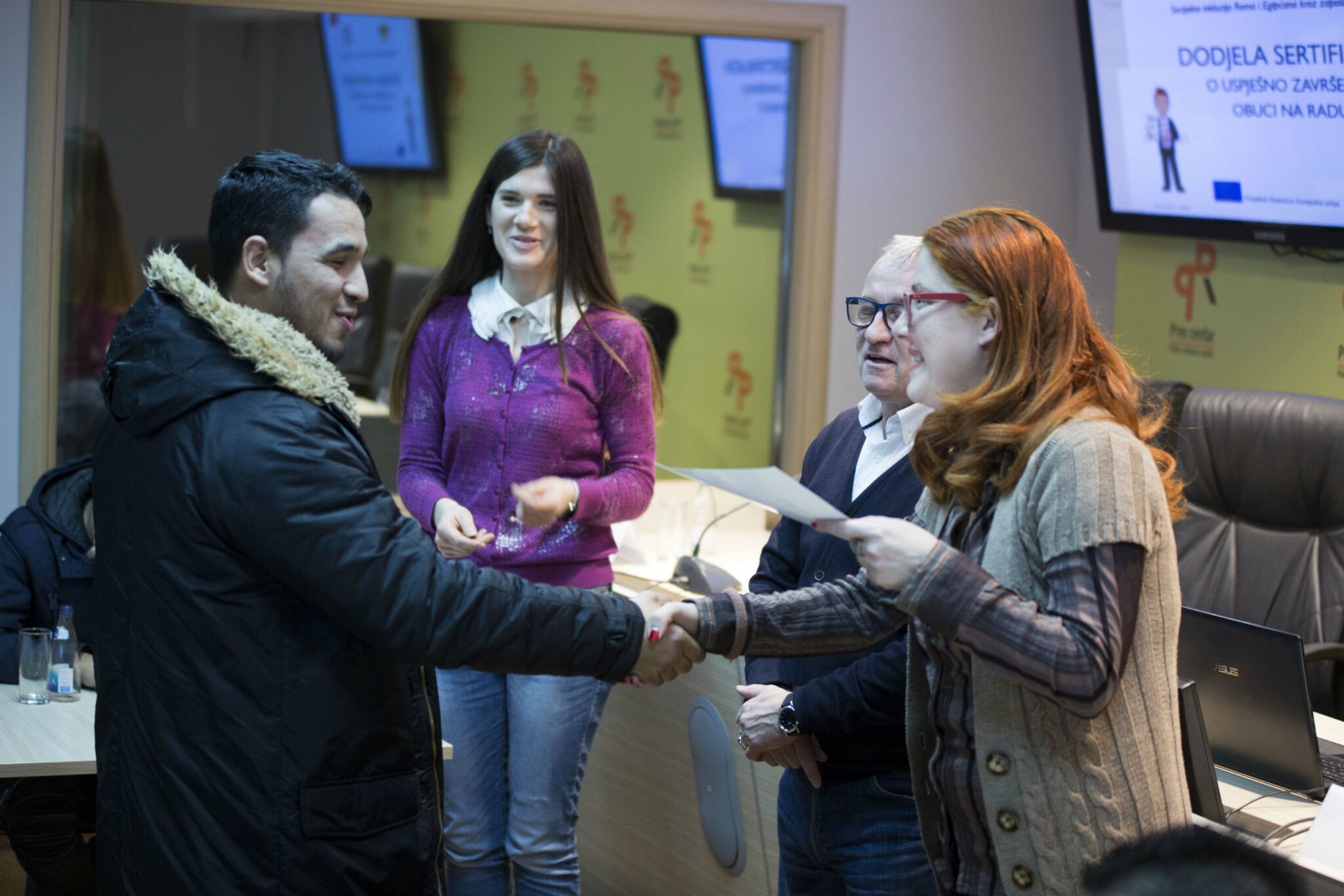
The traineeship programme from May until the end of January was taken up by 35 to 44 trainees. On-the-job training was initially planned to last for six months. Fortunately, it was extended for an additional two and a half months thanks to budget rationale. By the end of the project, 33 interns successfully finished the on-the-job training and were awarded with certificates.  Their performance during the training was monitored by conducting individual interviews with employers and trainees.

Anti-discrimination training for employers

Two anti-discrimination training sessions for employers and workers in the company/organisation were organised. The objective of the training was to raise participants’ awareness on stereotypes, prejudices, patterns of thinking, speaking, and behaviour existing in societies, particularly in the majority population, towards minority groups. 15 participants from 8 employers’ organisations took part. Participants were introduced to the definition of discrimination, as well as the understanding of discrimination, direct and indirect discrimination, and were familiarised with anti-discrimination legislation in Montenegro.

Information sessions for interns

For the beneficiaries of the traineeship programme, information sessions were held for the interns. In these sessions different topics regarding employment measures and labour rights were covered in order to be prepare the interns for full-time employment after completion of the training. The information sessions aimed to motivate them to search actively for jobs and to negotiate with current employers. During the meetings they were encouraged to share their experiences at the work place and ask for advice about their worker’s rights.

Apart from on-the-job training, the development of Standards for Associate in Social Inclusion of RE in social affairs was another key activity within the project. The working group consisting of 8 members of national institutions, in accordance with methodology and procedures, developed the documents which were adopted by the Council for qualifications during the project implementation. The Programme of Education and Exam Catalogue will be adopted in the following period by the authorized bodies.

Final conference

The main project results and activities were presented during the Final conference, held on 1 February 2018. The key stakeholders took part in the event (Ministry of Finance, Capital Podgorica, Ministry of Human and Minority Rights, Employment Agency, Center for Social Work, as well as employers who provided the trainees with on-the –job training). The final conference was in Montenegrin.

Watch the speakers at the conference by clicking on the links below:

Klaus Mock, regional coordinator: https://www.youtube.com/watch?v=tfMnKnZmkso

Marina Rmus, project coordinator: https://www.youtube.com/watch?v=ICIkEgdj4Oc&t=37s

Ivana Vučinić, Capital Podgorica: https://www.youtube.com/watch?v=Pl-qgCQrp5M

Vesna Pavlović, Ministry of Finance https://www.youtube.com/watch?v=TJsxUPqHbxQ

Varja Đukić, employer  https://www.youtube.com/watch?v=d4C1wskbfvk


Results

Since the main activity was the on-the-job training, which would lead to the employment of the trainees, the result of the project is more than initially expected (10% to be employed after the termination of the on-the-job training):

Out of 33 interns, 13 have been employed, equaling 39,39% of the total number of interns who completed the on-the-job training.

Paid Internship for Support of Better Employment of People with Disabilitie

:: PROJECT

Mon-122 Paid Internship for Support of Better Employment of People with Disabilities

:: DONOR

Employment Agency of Montenegro

:: REALISATION / BUDGET

January 2016 – November 2015::: 50, 000 EUR

:: SHORT DESCRIPTION

Increasing Employability of Romani Women in Podgorica

:: PROJECT

Mon-110 Increasing employability of Romani women in Podgorica

:: DONOR

German Foreign Ministry

:: REALISATION / BUDGET

October 2014 – December 2014. :: 8.345 EUR

:: SHORT DESCRIPTION

Renovation of “Mihailo Zugic” Elementary School in Borovica, Pljevlj

:: PROJECT

Mon-109 Renovation of “Mihailo Zugic”  Elementary School in Borovica, Pljevlja

:: DONOR

German Foreign Ministry

:: REALISATION / BUDGET

October 2014 – December 2014. :: 19.115 EUR

:: SHORT DESCRI

Increasing Employability of Romani and other vulnerable Women in Herceg Novi

:: PROJECT

Mon-108 Increasing employability of Romani and other vulnerable women in Herceg Novi

:: DONOR

German Foreign Ministry

:: REALISATION / BUDGET

October 2014 – December 2014. :: 12.000 EUR

:: SHORT

Supporting Integration and voluntary Return of IDPs and Residents of Konik Camp – Phase II

:: PROJECT

Mon-105 Supporting integration and voluntary return of IDPs and residents of Konik Camp – Phase II

:: DONOR

European Union, Government of Montenegro, REF, UNHCR, DRC

:: REALISATION / BUDGET

September 2013 – May 2016. :: 1.228.219 EUR

:: SHORT

Providing durable Housing Solutions for Roma displaced families in Niksic

:: PROJECT

Mon-107 Providing durable housing solutions for Roma displaced families in Niksic

:: DONOR

German Foreign Ministry, UNHCR, Municipality of Niksic

:: REALISATION / BUDGET

September 2014 – December 2014. :: 94.075 EUR

:: SHORT

Housing, psycho-social and medical Support for most vulnerable Refugees in Montenegro

:: PROJECT

Mon-102 Housing, psycho-social and medical support for most vulnerable refugees in Montenegro

:: DONOR

UNHCR

:: REALISATION / BUDGET

January 2014– December 2014 :: 329.330 EUR

:: SHORT DESCRIPTION

Strengthening Roma, Ashkalia and Egyptian (RAE) Representation and Integration

:: PROJECT

Mon-98 Strengthening Roma, Ashkalia and Egyptian (RAE) representation and integration

:: DONOR

European Union

:: REALISATION / BUDGET

November 2013 – May 2015. :: 163.790 EUR

:: SHORT DESCRIPTION

Housing, psycho-social and medical support for most vulnerable Refugees in Montenegr

:: PROJECT

Mon-96 Housing, psycho-social and medical support for most vulnerable refugees in Montenegro

:: DONOR

UNHCR

:: REALISATION / BUDGET

January 2013 – December 2013 :: 422.127 EUR

:: SHORT DESCRIPTION

Strengthening Civil Society to Support Sustainable Socio-Economic Development in Montenegro

MNE – 167 

TITLE –  Strengthening Civil Society to Support Sustainable Socio-Economic Development in Montenegro

DONOR – European Union, Ministry of Public Administration

IMPLEMENTATION – January 2023 – June 2025

BUDGET– 608,503.60 Euro

The project description: 

The project  focuses on strengthening civil society’s roles in supporting the social & economic development of Montenegro by supporting local interventions that address a range of issues from youth employment & digital skills & informal education & vocational training of youth to local youth participation & dialogue as well as supporting small business development & cultural & tourism initiatives. Its specific priority will be to support local CSOs to contribute to local development by building their organisational & project development capacities through training programmes, individualised mentoring support & tailored technical assistance & by increasing civil society’s ability to be key players in local development through subgrants for local socio-economic initiatives & programmes.  The Action will build the effectiveness of civil society’s programmes through networking & engagement with relevant stakeholders.

This Action will focus on the northern region of Montenegro.  For decades the Montenegrin economy has been marked by large regional disparities that have negatively affected the socio-economic development of the north of the country.  Regional disparities have a deep impact on the socio-economic conditions of the local population as reflected in a range of indicators such as low growth rates & high rates of unemployment.  An unbalanced economy leads to the population in northern region having lower standards of living, there are fewer employment opportunities especially for women & youth.  This support to civil society will contribute the local development of the northern region building a stronger more inclusive economy which has more skilled employment for vulnerable groups & supports the growth of small rural businesses.

The Action will be in alignment & have synergy with the national strategies for sustainable development & tourism development which foresee a key role for civil society as well as strategies which focus on employment & skills & youth. The Action will be an exemplar of civil society in action advancing the socio-economic inclusion of vulnerable groups living in remote rural areas, particularly youth & women. It will also have synergy with other national & regional initiatives to improve socio-economic conditions in rural communities in Montenegro & Western Balkans which are being implemented by national & international NGOs with EU, UN, foreign government & other donor support.

The goal is to empower and support:

Civil society organizations, NGOs focused on local communities, vulnerable categories of citizens (young people and women), small associations of farmers and agricultural producers, local municipalities with a focus on the north, institutions for adult education, youth services, regional development agencies.

Grant schemes will be implemented in two cycles: Category 1: min 5000  max 10,000

Category 2: min 20,000 max 25,000

The following activities will be supported: promotion of female entrepreneurship, organization of events and promotion of eco and mountain tourism, business advice for the development of agriculture -tourism, training for women and young entrepreneurs, strengthening of the capacity of small farms through training on modern methods in agriculture and market placement, organizational training for market opening for traditional craft products (Made in Montenegro), support for village initiatives for recycling and organic compost schemes, mobile and internet career counseling services, career counseling in schools, career training in digital fields – freelance work, advisory service for professional training, services for psychological support for starting work, support for the development of creative skills, training and basic activities for women and young people, a program of on-the-job training.

The project is being implemented by Help in cooperation with Juventas, in the time frame from January 2023 to June 2025, i.e. 30 months.

It is financed by the EU within the European Aid – Support to Civil Society Organizations project and the European Instrument for Human Rights and Democracy (EIDHR) in the amount of 608,503.60 Euro

Assistance Programme Integration and Return of RAE and other IDPs in Konik

:: PROJECT

Mon-88 Assistance Programme for the integration and return of RAE and other IDPs residing in the Konik area

:: DONOR

European Union, Government of Montenegro, REF, UNHCR, DRC

:: REALISATION / BUDGET

November 2012 – May 2014. :: 1.475.142.00 EUR

:: SHORT DESCRIPTION

Start of a new project for the benefit of the displaced RAE population in Konik, Podgorica

Help has signed a contract for the implementation of the project „Assistance programme for integration and return of RAE and other I/DPs residing in the Konik area” with the Delegation of the European Union to Montenegro and the Government of Montenegro.

The project will be implemented together with international and national project partners in order to provide the best skills for the successful support of the target group. The partners are the Danish Refugee Council, the Roma Education Fund from Hungary, and the local NGOs Green Home, Juventas and Legal Centre.

Under the terms of this project, RAE and other I/DPs living in Konik will be assisted to pursue their voluntary return to Kosovo and to improve the access to rights such as legal status, education, health and employment in order to enable full integration of those who opt to remain in Montenegro. Technical assistance will be provided for a Project Implementation Unit at governmental level that will co-ordinate, monitor and report all IPA project-related activities.

The total value of this project amounts to € 1.475.142. The project is funded jointly by the European Union with an amount of € 800.000, the Government of Montenegro with an amount of € 500.000, the Roma Education Fund from Budapest with an amount of € 101.350, the office of UNCHR in Montenegro with € 63.792 and the Danish Refugee Council with an amount of € 10.000.
The project will last for 18 months and it is expected that approximately 2.500 persons form the target group will benefit directly from the project.

***

Description of the proposed activities and their effectiveness:

1. Social integration: social integration will be promoted through interactive workshops addressing human rights, active citizenship and professional orientation, environmental protection issues and the like and regular meetings with RAE youth and adults and counseling sessions. Dance workshops for children and youth (both Roma and non-Roma) will be a venue to spend quality leisure time, develop talents of art, the self-esteem and social skills that will enable them to take a pro-active position in the civil society. These activities will be organized jointly with local NGO Juventas.

2.Provision of documents: Legal Center (LC) organizes bus visits to municipalities in Kosovo (Pec, Klina, Obilic, Kosovo polje, Vucitrn) in order to enable the most vulnerable members of RAE population obtaining personal documents (birth certificates, citizenship certificates, ID cards, passports and the like, as well as the subsequent registration into the birth/citizenship registries for those persons who were born in Kosovo). LC also provides counseling and representation before administrative and judicial bodies in Montenegro.

3. Education: The Roma Education Fund (REF) will undertake measures to improve academic achievements of pupils and reduce the language barrier for pupils who study in the branch department school and main building of elementary school Bozidar Vukovic Podgoricanin. REF will provide support and assistance to children in mastering social skills and knowledge as well as providing support in improvement of a greater level of self-confidence and the level of readiness for all future processes of integration, desegregation and socialization. In order to achieve this aim pedagogical practices and the preparation of future teachers for work in multicultural classes and school communities will be also provided. For each group of students’ volunteers one-day trainings will be organized and comprehensive supervision of their work with RAE pupils. The project team will organize additional classes to overcome children’s’ language barriers and will create conditions for enrolment in integrated schools through the provision of intensive community work, extracurricular activities, transportation, equipment, footwear, clothing, free books and cooperation with relevant institutions on local and government level.

4.Early childhood development: This program-component aims at improving the access to early childhood education and development for RAE children 1) within their families – by empowering and developing the capacities of the mothers, giving them opportunity to learn practical parenting skills and gain a better understanding of their child’s development and 2) within the formal education – by lobbying at local authorities for a higher level of inclusion and by encouraging and supporting RAE parents to enroll their children into pre-school. In a later phase Toy library is planned to be established and run.

5.Adult literacy classes: Literacy Program will be designed to empower RAE parents with literacy skills. The Program will have a special focus on women. Sub/component will be RAE women empowerment: Program activities will enable women in Konik Camp to take literacy classes, including health, human rights (especially women’s and children rights). The aim is to build the capacity of RAE women to lead their families and communities to increased well-being, including better health and higher incomes, through literacy, leadership and family health matters training. RAE mothers will be encouraged to be first teachers of their children and to support their children in schooling/education by developing positive parental attitudes towards education/schooling and by learning and practicing methods that foster child development.

6. Employment: support to income-generation activities has proven to be one of the best ways to enable the vulnerable population to sustain an acceptable standard of living based on their own resources, focusing on long-term solutions for the beneficiaries. Within this component, HELP has foreseen support to 80 RAE and I/DPs from the Konik settlement with sound business ideas, but insufficient own means for their implementation, to start up or develop existing economic activities in order to provide a regular income for their families. The assistance will consist of in-kind grants (equipment and/or material, livestock) with an average value of € 1,200 for starting up/improve or resume economic activities and basic business and vocational trainings and constant professional follow-up and advice.

7.Recycling and waste management: The local NGO Green Home will hold a number of workshops addressing various aspects of recycling including environmental protection, its potential as an income generating activity, needs of the RAE regarding waste disposal and recommendations to governmental institutions. In addition training will include preparing waste collectors for possible changes in the dynamics of the waste collection sector that may accompany campaigns for a cleaner environment and governmental legislation. Through these workshops they will also be informed on the recycling without using adverse methods and making irreversible changes in the nature, because this is very often seen situation. Also, impacts of landfills on human health and dangers due to the improper waste separation and disposal will be themes of the workshops.

8. Health: Help has already engaged a social worker who among other performs duties typically carried out by Roma Health Mediators. She together with 2 Roma assistants will be trained in the full range of Roma Health Mediators and will then provide services that lead to improved access of RAE to the health system in Montenegro. Roma Health Mediators will also work on health promotion (healthy life styles, reproductive health, mental health, chronic noninfectious disease and infectious diseases) through health sessions. RHM would facilitate the communication between the medical personnel and the Roma community, representing a cross-cultural bridge with role in conflict prevention.This would contribute to better communication between local community and Roma and their integration, and the RHM would present real social agents. This part of a program has gender dimension, since RHM would be female, which would have influence on empowering women and undermine prevailing perceptions about appropriate women’s role.

9. RAE teaching assistants and training sessiond for teachers: In-service training program will be provided to the teachers and a model for RAE Teaching Assistants training and ToR will be designed and developed; Trainers will be chosen based on their experiences in working on similar projects related to the inclusion of Roma into mainstream schools and kindergarten. Monitoring of their activities will be organized and conducted to ensure clearly defined roles and functions of RAE teaching assistants/mediators.

10. Good practices exchanging: 1. Regular meetings will be held among RAE Teaching Assistants and teachers to exchange their own experiences and to improve further engagement with RAE children, their families and institutions. 2. Success stories could be recorded (story telling – interesting for ECED) as well as put in the written form in order to present the experience to other countries. 3. REF partners from neighbouring countries (Roma Decade countries) will present experience and methods in working with RAE/Roma population

11. Return activities: This Action will pursue adequate return solutions for those RAE families who are interested in this durable solution. Specifically, DRC will organise the participation of approximately 340 RAE displaced in 29 cross-border events, including Go-and-See Visits and other return initiatives, through which the displaced will be provided with first-hand information and will be enabled to directly participate in the return process. If the families’ durable solution decision is to return to Kosovo, DRC will actively work on trying to facilitate their return to Kosovo, by referring them to Authorities in Kosovo (MCR and Municipalities) and Reconstruction Agencies working in the area. According to recent DRC assessment in Konik area, through this Action DRC will focus on facilitating the return to Kosovo for at least 50 families through referral for reconstruction and advocacy; upon needs assessment, transport facilitation and basic return assistance might be provided to the returnee families, provided they will not be receiving the same assistance by the Kosovo projects.

12. Technical Assistance to Project Implementation Unit: The Government of Montenegro invested considerable resources in addressing the issues pertaining to the RE population. The two main strategies being the National Strategy for durable solutions of issues regarding displaced and internally displaced persons in Montenegro, with special emphasis on the Konik area and the strategy for improving the position of Roma and Egyptians in Montenegro 2012-2016 provide the framework on how these issues will be addressed and the Ministry of Labour and Social Welfare has been entrusted with their coordination and implementation.

The PIU established in the context of this institutional framework is expected to fill the gap between the policies and strategies and projects. The implementation however involves the Ministries such as Education and Sports, Health, Housing, Human and Minority Rights, the Bureau for the Care of the Refugees, the Montenegrin Employment Agency, the Municipalities, donors, organisations such as UNHCR and NGOs as well as representatives of the RAE community.

In order to address the challenges arising from the involvement of such diverse stakeholders an approach which fosters the establishment of horizontal and vertical partnerships will be promoted. The Action is an important element in the establishment of permanent structures for the institutions to manage and coordinate their policies and programmes. It is crucial to streamline the policies developing a clear vision and mandate for the PIU in promoting durable and sustainable solutions. The management structure will be developed and once the roles and responsibilities are clarified, considerable training will be provided to the members of the PIU and the key decision makers in programme and project management, PCM, monitoring and evaluation, and financial reporting with emphasis on on-the-job-training. Throughout the programme, the members of the PIU will be assisted in fulfilling their responsibilities and during the closing phase it will be ensured that the handing.

Assistance: Food, hygiene Items and Firewood for vulnerable Families affected by snow in the North of Montenegro

:: PROJECT

Mon-86 Assistance: food, hygiene items and firewood for the vulnerable families affected by snow in the North of Montenegro

:: DONOR

German Embassy in Podgorica

:: REALISATION / BUDGET

February – March 2012 :: 50.000.00 EUR

:: SHORT DESCRIPTION

Renovation of the Gym of the School “Božidar Vuković Podgoričanin” Podgoric

:: PROJECT

Mon-85  Renovation of the gym of the school “Božidar Vuković Podgoričanin” Podgorica

:: DONOR

German Embassy in Podgorica

:: REALISATION / BUDGET

February 2012 :: 7.000.00 EUR

:: SHORT DESCRIPTION

Flood Rehabilitation for affected families in Plav and Beran

:: PROJECT

Mon-80 Flood rehabilitation for affected families in Plav and Berane

:: DONOR

Caritas Luxemburg

:: REALISATION / BUDGET

April – December 2011. :: 100.000 EUR

:: SHORT DESCRIPTION

Construction of 10 prefab Houses for the Accommodation of Refugees in Herceg Novi

:: PROJECT

Mon-78 Construction of 10 prefab houses for the accommodation of refugees in Herceg Novi

:: DONOR

German Foreign Ministry

:: REALISATION / BUDGET

April – December 2011. :: 222.000.00 EUR

:: SHORT DESCRIPTION

Housing, psycho-social and medical Support for most vulnerable Refugees in Montenegro

:: PROJECT

Mon-76 Housing, psycho-social and medical support for most vulnerable refugees in Montenegro

:: DONOR

UNHCR

:: REALISATION / BUDGET

January 2011 – December 2011 :: 735.725.00 EUR

:: SHORT DESCRIPTION

Firewood for Families in Plav and Berane affected by Flooding

:: PROJECT

Mon-75 Assistance: firewood for families in Plavand Berane affected by flooding

:: DONOR

Caritas Luxembourg

:: REALISATION / BUDGET

December 2010 – February 2011. :: 24.960 EUR

:: SHORT DESCRIPTION

Construction of a Children’s Playground in Konik, Vrela Ribnièka, Podgorica

:: PROJECT

Mon-71 Construction of a children’s playground in Konik, VrelaRibnièka, Podgorica

:: DONOR

US Embassy in Podgorica

:: REALISATION / BUDGET

October – November 2010. :: 25.000 USD

:: SHORT DESCRIPTION

Flood Relief Assistance in the North of Montenegro

:: PROJECT

Mon-74 Flood relief assistance in the North of Montenegro

:: DONOR

German Embassy in Podgorica

:: REALISATION / BUDGET

December 2010 – February 2011. :: 11.300 EUR

:: SHORT DESCRIPTION

Improvement of living Conditions for RAE Population in Berane

:: PROJECT

Mon-70 Improvement of living conditions for RAE population in Berane

:: DONOR

German Embassy Podgorica

:: REALISATION / BUDGET

July – November 2010. :: 12.500,00 EUR

:: SHORT DESCRIPTION